


CONCEPT ART & ILLUSTRATION YEAR 2 – DESIGN & IMAGE MAKING
- Length: 1 year
- Class size: About 15 participants
- Applictaion date: Mid April 2024
- Apply with: Individual portfolio and mandatory assignments, letter of intent and grades from high school or university (or other documents of merit)
COURSE OBJECTIVE
The aim of this course is to develop the necessary knowledge and skills required to be able to work within the game and film industry – creating concepts and designing images for various purposes, as well as more elaborate images, so-called illustrations. During Year 2 – Design & Image Making, the knowledge of fundamentals is used to visualize characters, objects and environments of your own design in which being able to correctly draw, light, and create surfaces from the imagination is a key practice.
Concept Art & Illustration 2 aims to develop the following abilities:
- Idea generation and working in different design processes
- Designing and creating concepts for different purposes and media
- Working within the framework of given assignments via prompts and briefs
- Understanding and using figurative language and composition to communicate visually
- Being able to carry out more elaborate images – full illustrations
- Working with digital rendering in both a realistic and stylized way. The emphasis in the course is, however, is practicing realism
Furthermore, the course also aims to:
- Deepen your artistic basic knowledge (fundamentals) in various applied tasks
- Orient you in different aspects of the industry and prepare you for possible career paths in the entertainment arts
COURSE OUTLINE
Autumn semester
- Design process – ideation, research, iteration
- Shape language & shape design
- Stylization
- Prop design
- Character and costume design
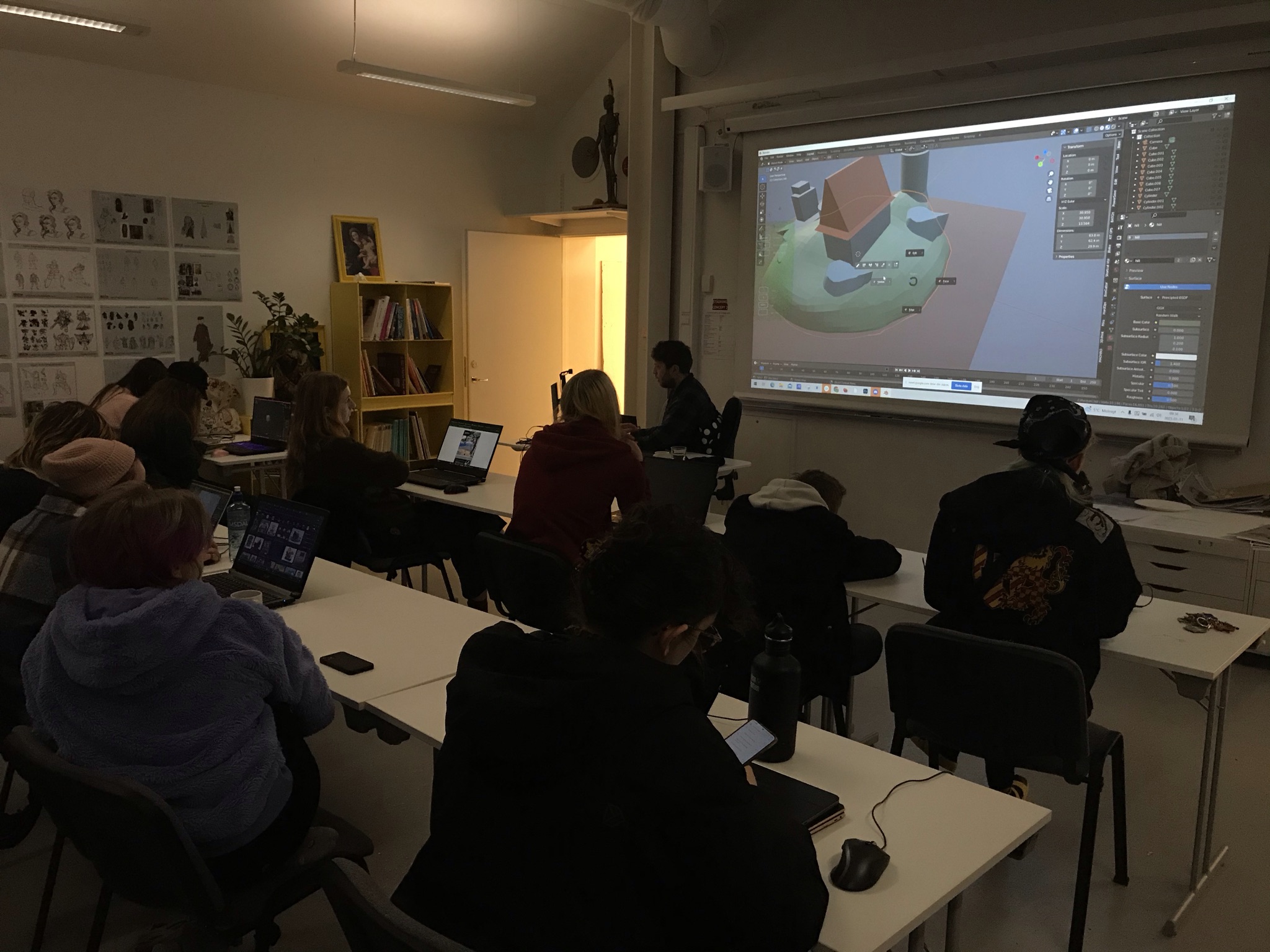
- 3D (Blender) as a tool for 2D-art
- Vehicle design
- Animal anatomy
- Creature design
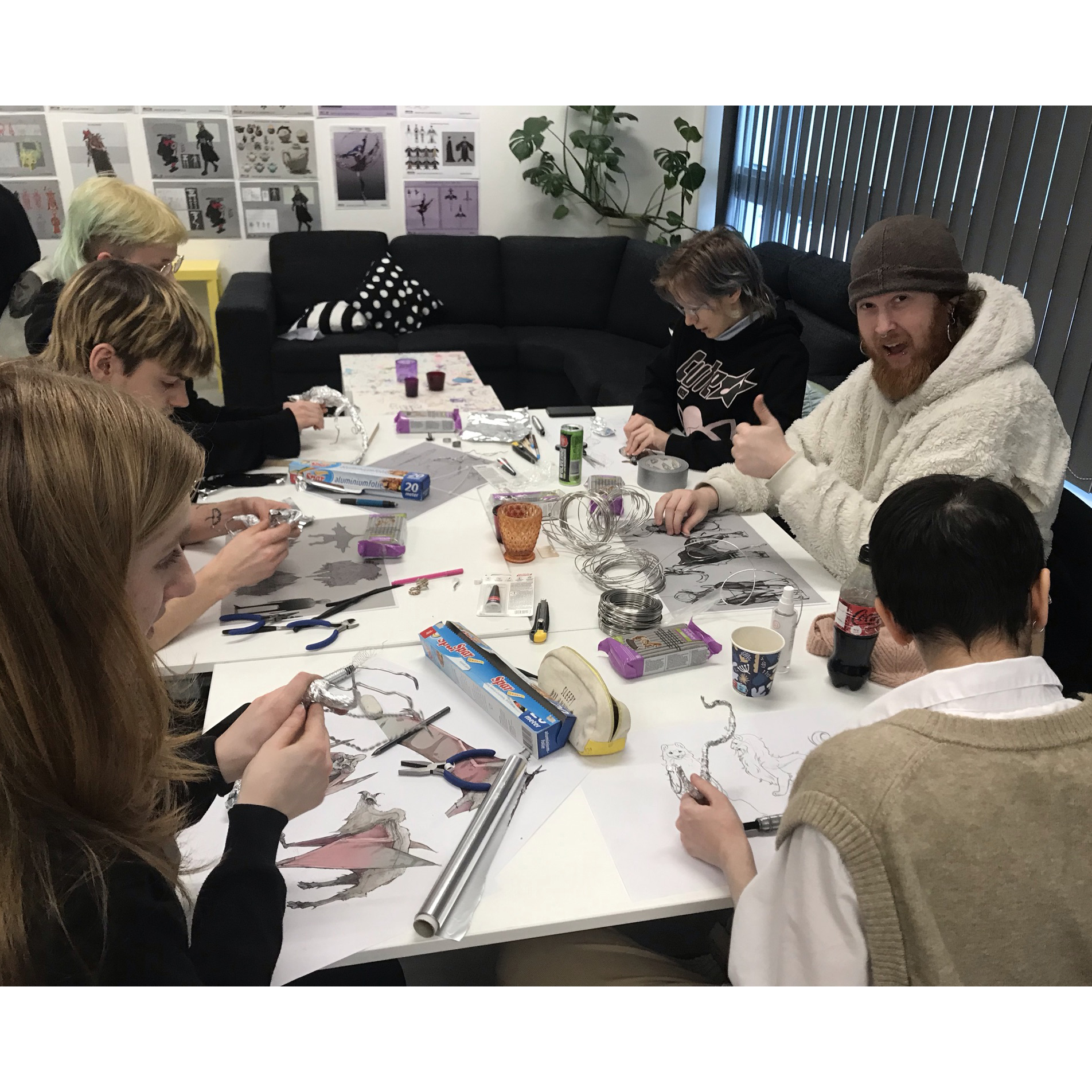
- Sculpture – modeling figures and creatures
Spring semester
- Architecture design – interior and exterior
- Environment design
- Digital techniques – photobashing, etc.
- Storytelling in design and image making
- Illustration assignments – making whole pictures
- Worldbuilding assignments
- Storyboarding
- Group projects
- Soft skills & working methods for larger projects
And more:
- Professional guest teachers from the industry
- Visits to studios, schools, museums, etc.
- Industry knowledge – orientation of professional roles and possible paths into the industry
- Marketing, portfolio building and copyright rules
- Intro to freelance work and self employment
CURRICULUM YEAR 2 & IMAGE GALLERY
INTRO TO DESIGN PROCESSES & SHAPE DESIGN
At the beginning of year 2, we have an introduction to different tools you can use in the design process. We go through this:
- Research – approaches and tools. Making reference boards and mood boards.
- Ideation process – Tools and approaches to generate exciting and good ideas.
- Sketch process / Iteration – how to work with exploratory and iterative sketch work to achieve good designs and solve problems.
- Shape design – Create good, interesting, dynamic and readable shapes and silhouettes
- Thumbnails – Create different types of silhouettes and thumbnails for various purposes.
- Shape hierarchy and readability in the design – practice using big-medium-small shapes etc.
Shape language – investigating how shapes and symbols communicate and give meaning in images and designs.


PROP DESIGN
- Design objects for different items such as tools, weapons, utility items, etc
- Construct, light them and render the objects
- Research, sketch process, iteration, silhouettes etc. for prop design concept art.


CHARACTER DESIGN
- Constructing and posing the body with boxes and cylinders
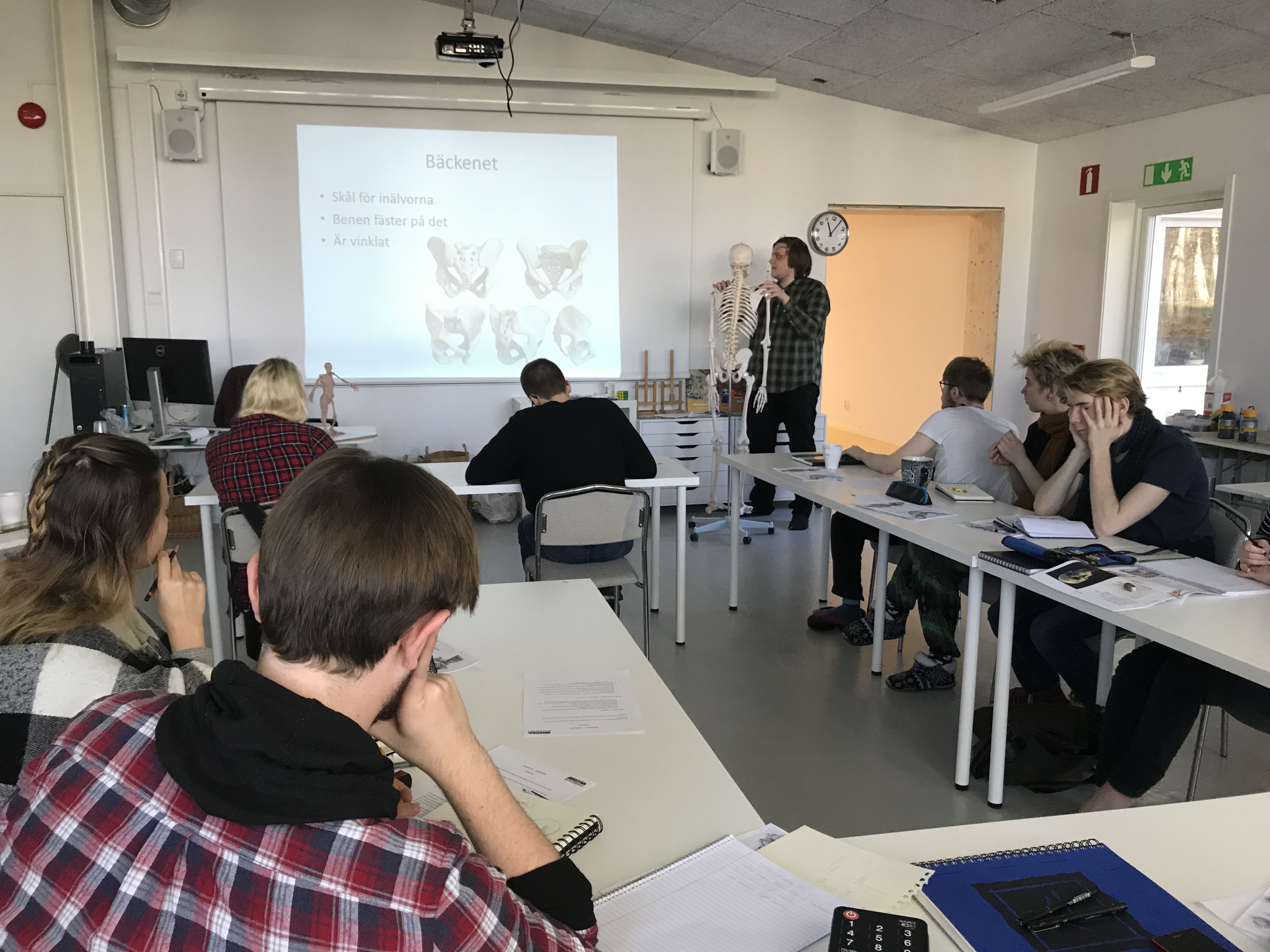
- Constructing and posing the body with skeleton and muscels
- Practice exaggerated body features
- Costume design, research approaches and studies of fabric, etc.
- Facial expressions
- Sketch process, iteration, silhouettes etc. for character design concept


3 D
3 D is not a huge part of the course as we mostly focus on 2D. We consider the 3D that we teach as a tool in the process of creating 2D images. We teach basic things in the free software Blender that you can use to create bases to work on in 2D.


VEHICLE DESIGN
- Design different types of craft for different purposes
- Try both construction in perspective by hand and in 3D software
- Lighting and rendering vehicles
- Research, sketch process, iteration, silhouettes etc. for vehicle design


ANIMAL ANATOMY
Animal anatomy builds on the knowledge from human anatomy that we teach in year 1. We do exercises where we study and draw skeletons, muscles and poses / gesture for various animal groups:
- Fish, amphibians and reptiles
- Birds and dinosaurs
- Quadrupedal mammals
- Exercises to apply anatomy to fantasy creatures


CREATURE DESIGN
- Learn to take inspiration from and combine the anatomy of different animals.
- Research, sketch process, iteration, silhouettes etc. for creature design concept art.


SCULPTURE
- Maquette construction
- Working with super sculpey clay
- Creatures & characters


INTERIOR & EXTERIOR DESIGN
- Practice designing interiors, set designs for different purposes
- Practice designing exteriors, buildings, for different purposes
- Research, sketch process, iteration, silhouettes etc. for architecture


ENVIRONMENT DESIGN
- Thumbnailing exercises for environment
- Research and design different nature types / biomes
- Create environments from different sections for different purposes
- Practice using Photobashing as a tool


ILLUSTRATION
What we call illustration means working a lot and thoroughly with a single image. The image is the end product itself, unlike concept art where the art is used in the production process. Much focus is placed on the sketching process, composition and creating mood and conveying emotions with the image. 3D can be included as part of the work.
- Book illustrations, cover art
- Splash art : dynamic poses and compositions
- The video game music assignment: collaboration with the school’s game music education. We make illustrations from their pieces of music. A lot of focus on creating the right mood.
- Key art
- Matte Painting


GROUP ASSIGNMENT
- Tools to achieve good group dynamics and collaboration
- Train yourself to work in groups, plan and meet deadlines
- Making concepts for fictional game ideas
- Create joint style guides and strive for a consistent graphic expression
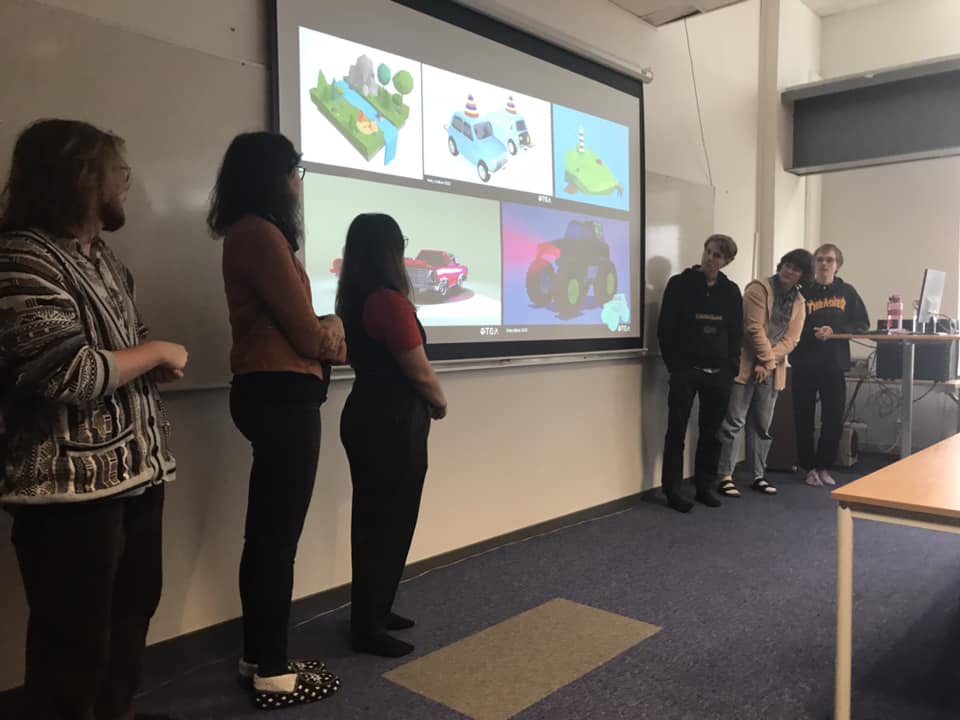
- Practice presenting and pitching your work


GUEST TEACHERS AND LECTURERS
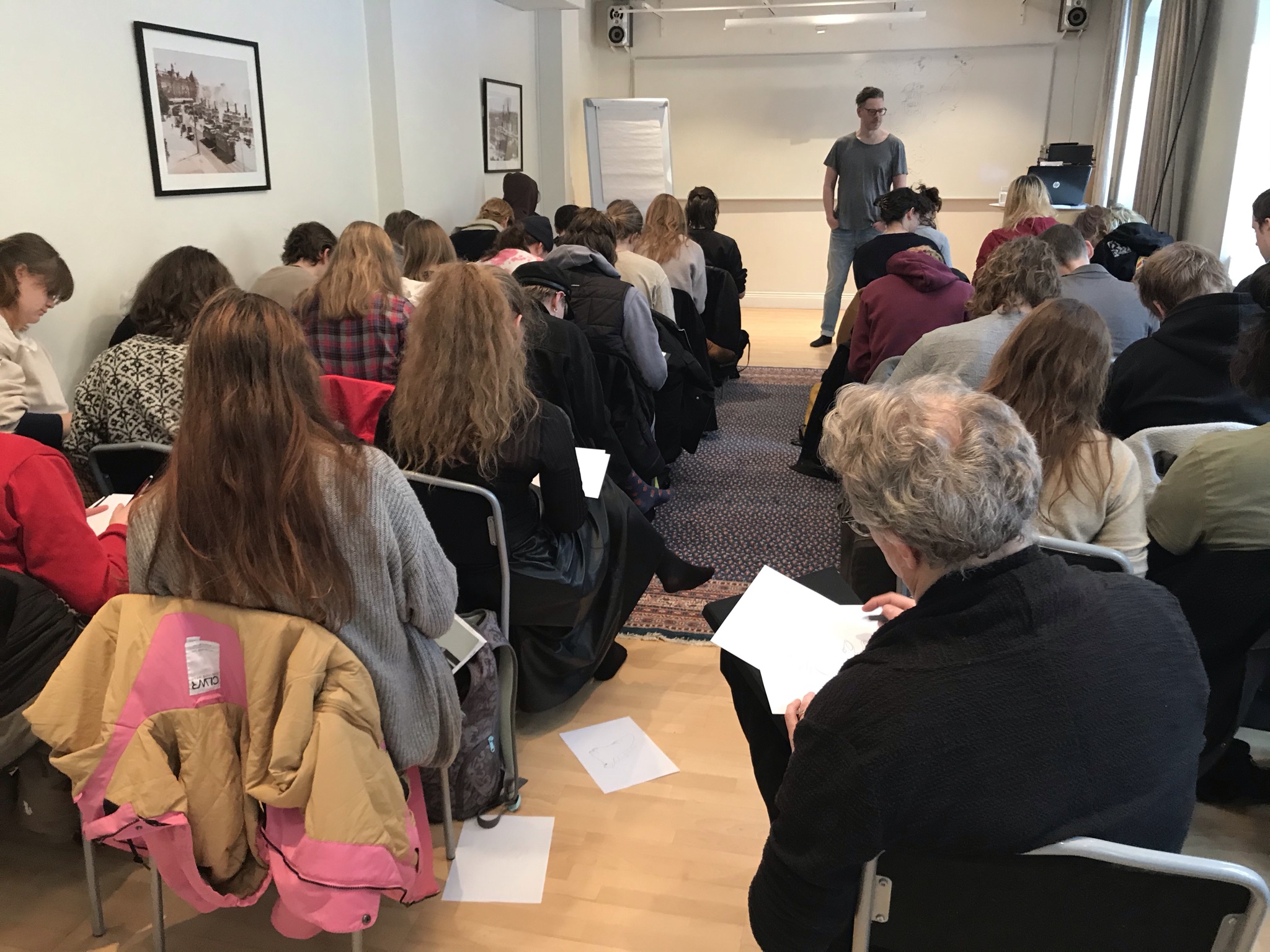
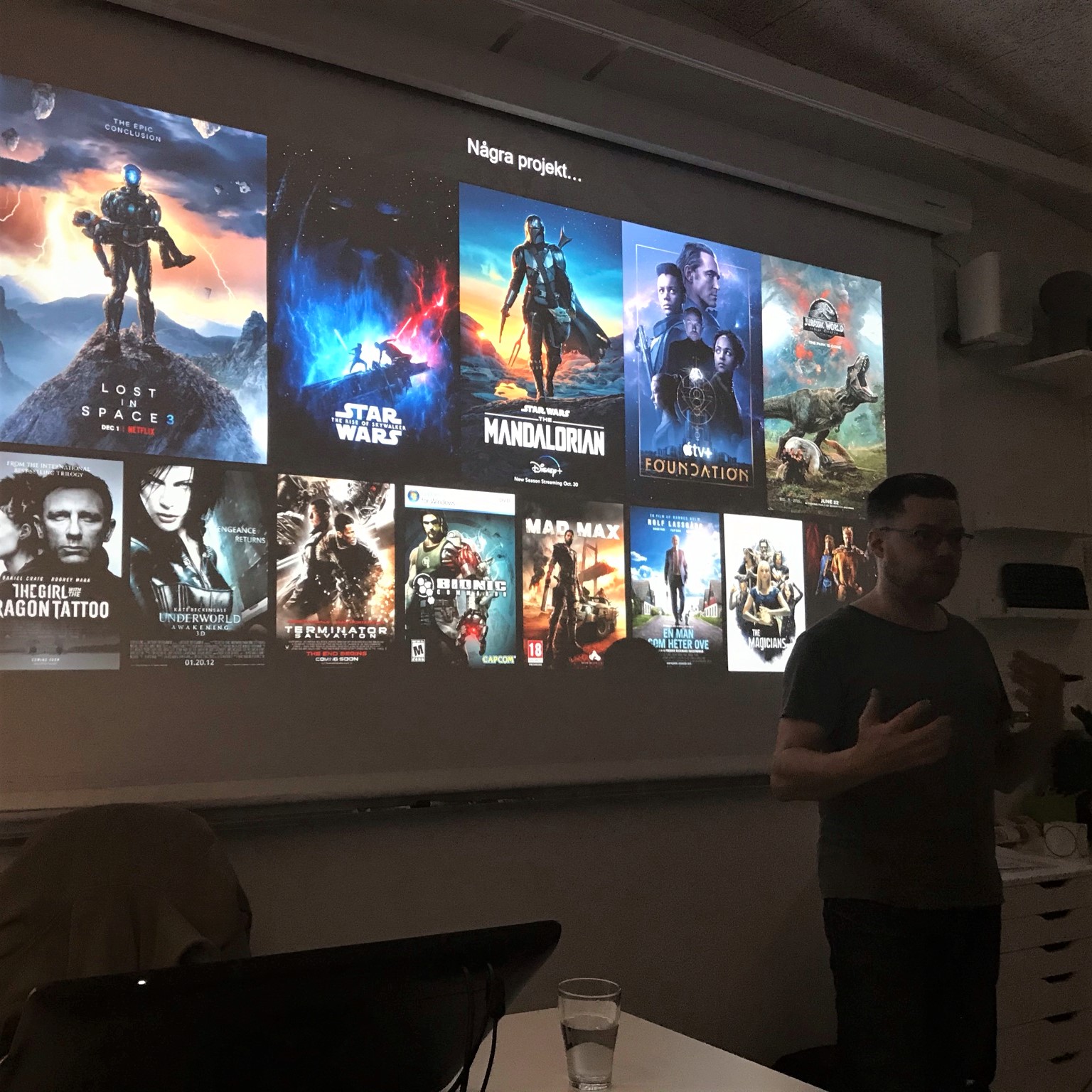
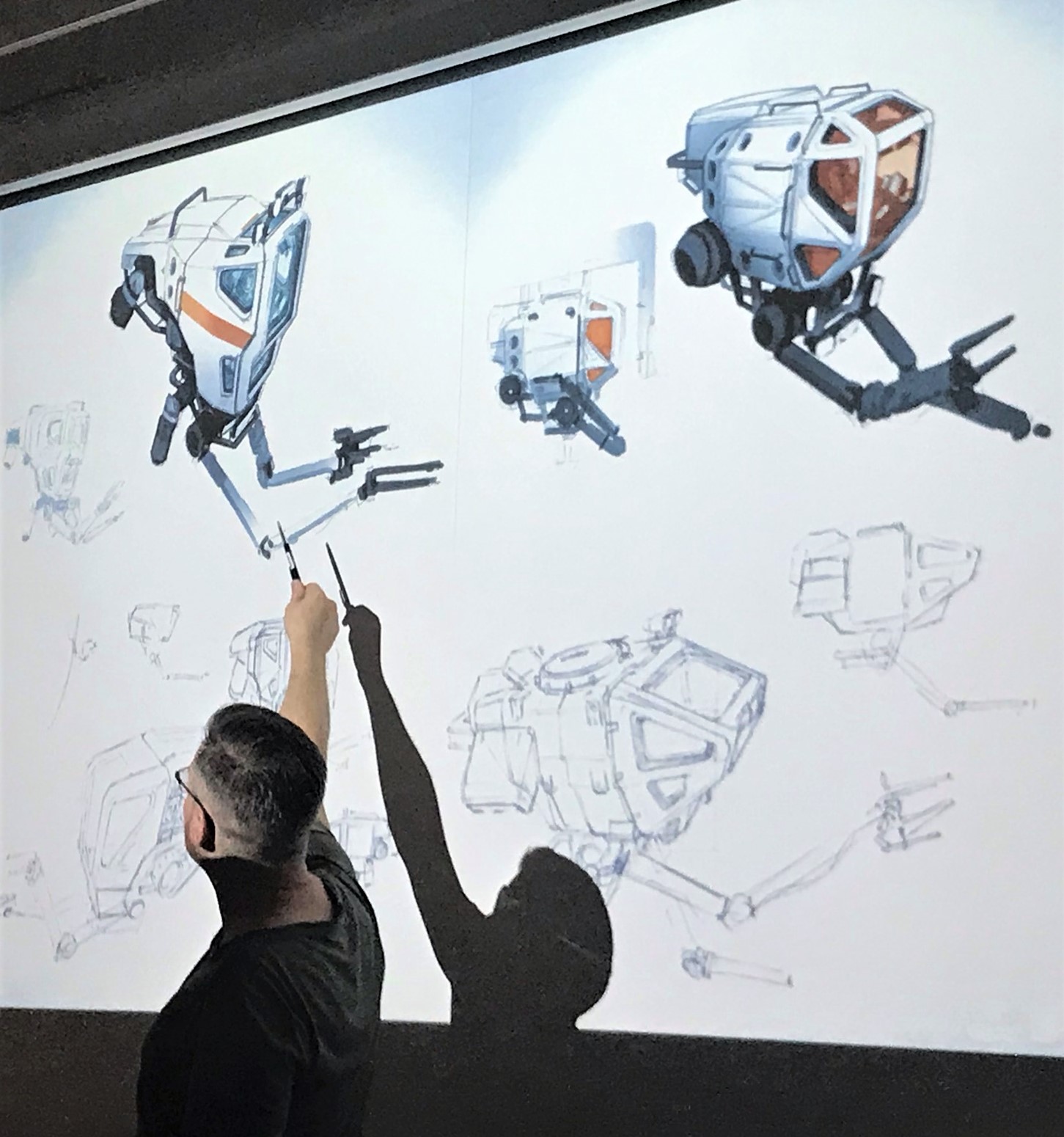
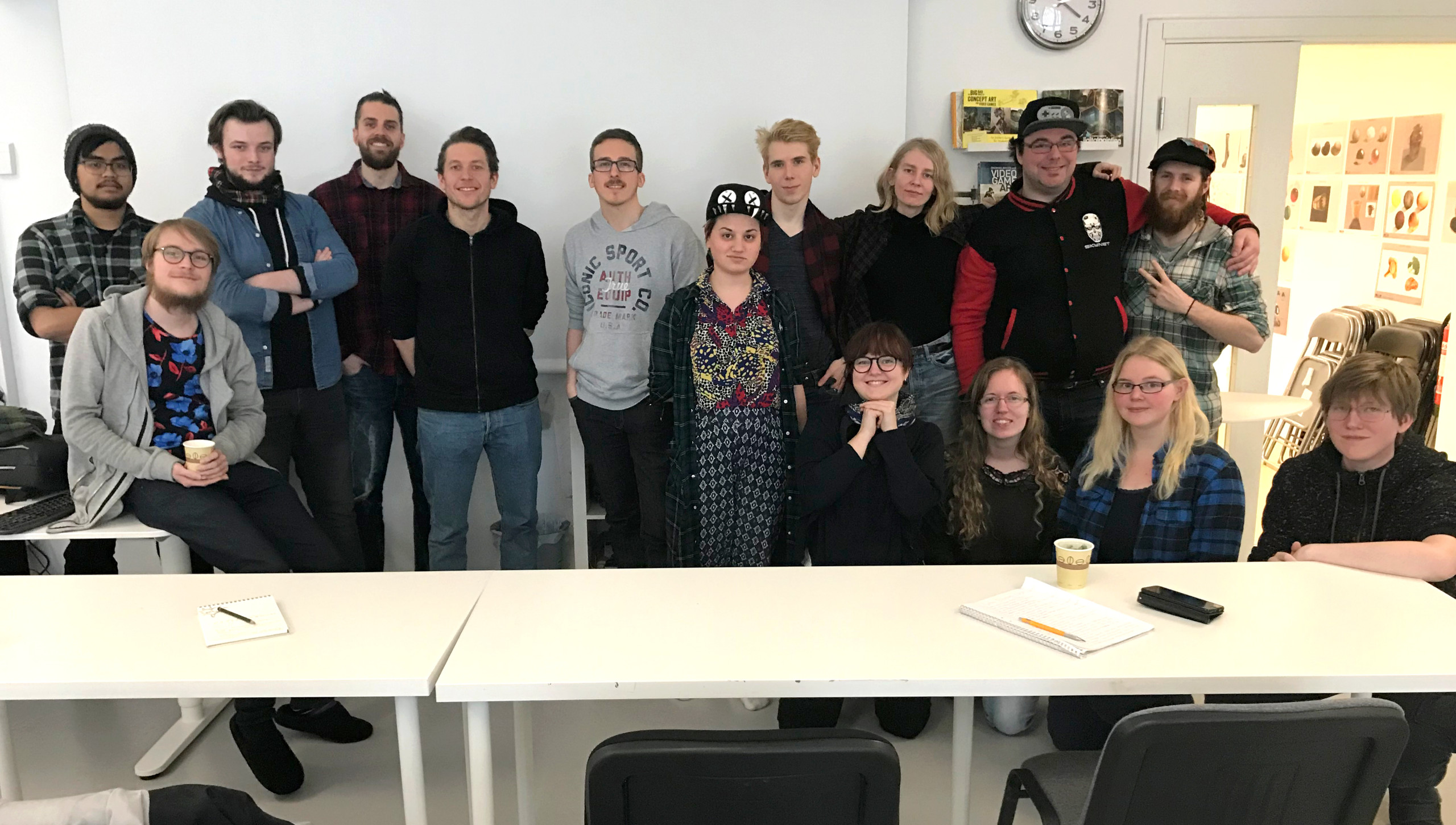
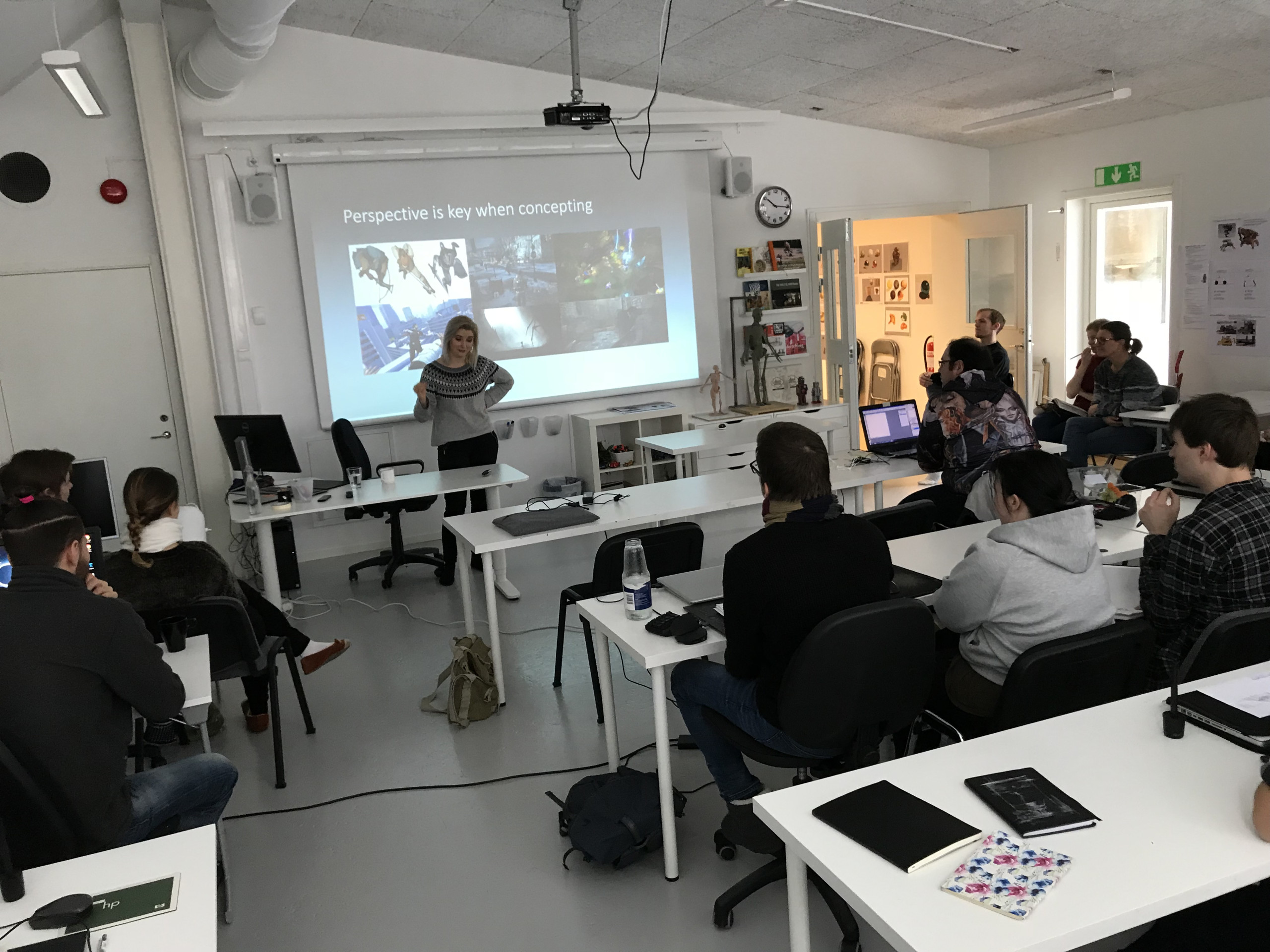
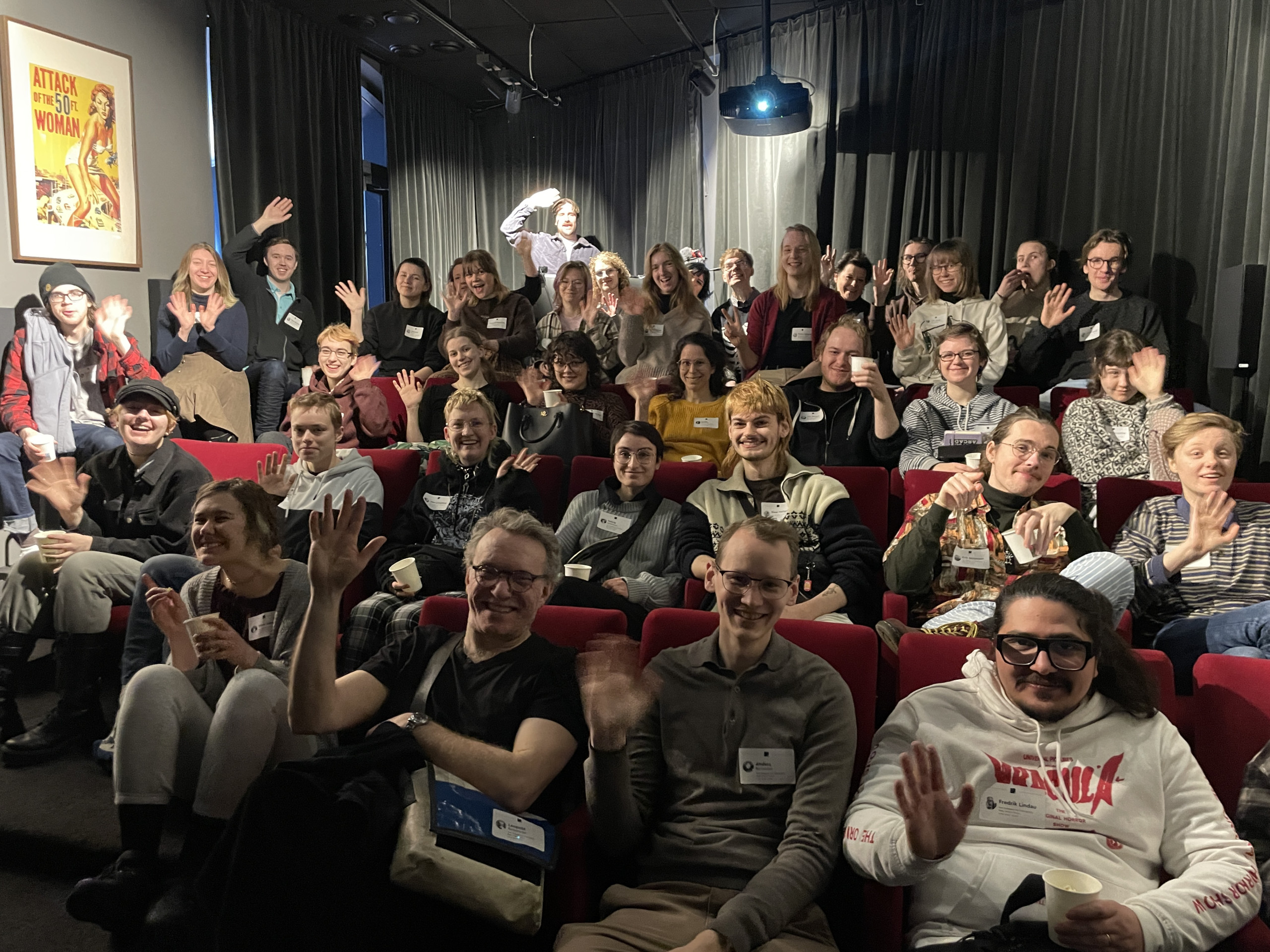
During the year, we regularly take in guest teachers and lecturers who are professionals in the game and illustration industry. This gives insight into professions and possible paths forward in game development, 2- and 3-D graphics, illustration, comic creation, animation, etc. In recent years we have had the pleasure of meeting:
- Johan Egerkrans (Illustration)
- Simon Stålenhag (Freelance illustration etc)
- Even Mehl Amundsen (Freelance illustration etc)
- Atey Ghalian (Illustration & concept art, CEO Envar studios)
- Thomas Chamberlain-Keen (Illustration & concept art )
- Martin Bergqvist (Concept art)
- Simon Fetscher (Concept art Mood Visuals)
- Mikael Eriksson (Concept art Goodbye Kansas)
- Alexander Forsberg (Freelance illustration)
- Viktor Becker (AD/Concept Art– Zoink Games)
- Henrik Rosenborg (Freelance illustration)
- Veronika Fedorova (Freelance illustration)
- Mattias Adolfsson (Freelance illustration)
- Daniel Jonsson (Character 3D-artist Machine Games)
- Louise Meijer (Concept artist and Art director)
- Pontus Ullbors (AD & Concept art Landfall games + Freelance illustration)
- Anders Larsson (2D-graphics, UI, Fatshark)
- Nicolas Krizan (Illustration)
- Linda Chuu Bjurhager (2-D-animation, storyboarding)
- Leopold Baranowska (Vis dev, storyboard m.m.)
- Gabor Steizinger (animation)
- Andrea De Dominics (Concept art)
- Ellen Barkin Söderholm (Freelance Illustration)









STUDY VISITS AT STUDIOS
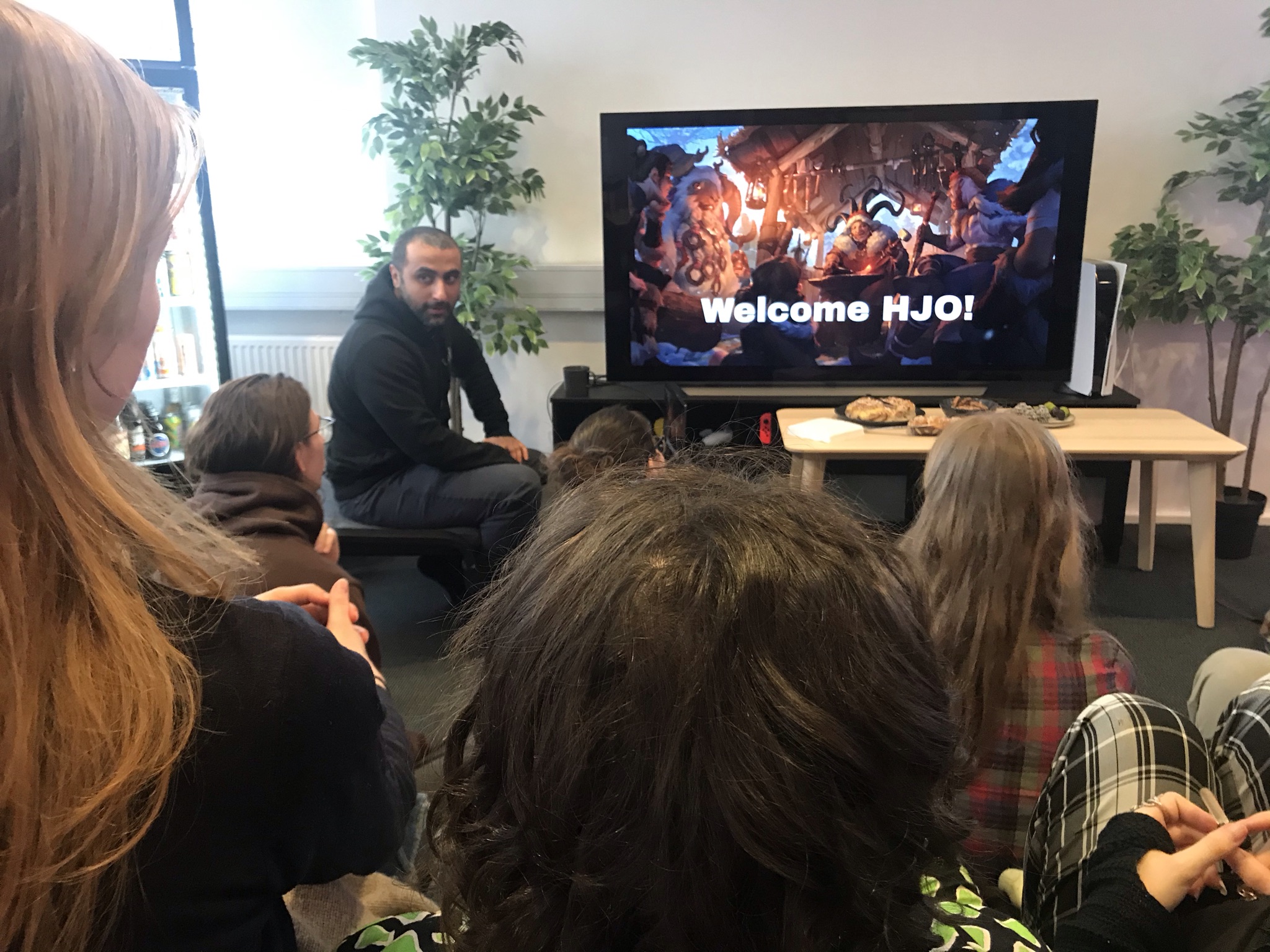
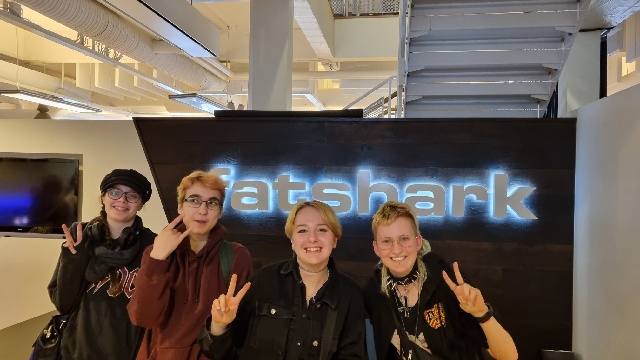
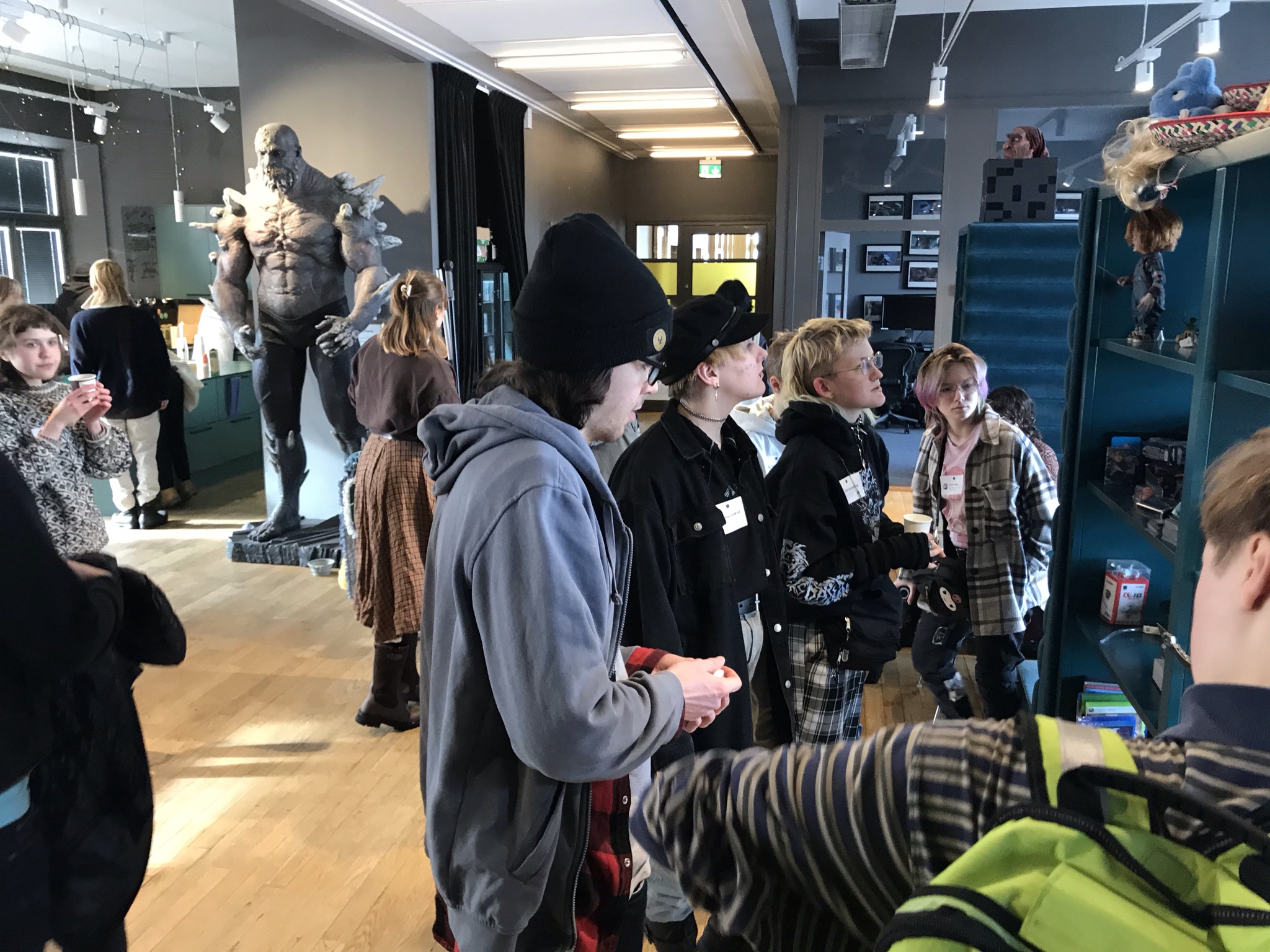
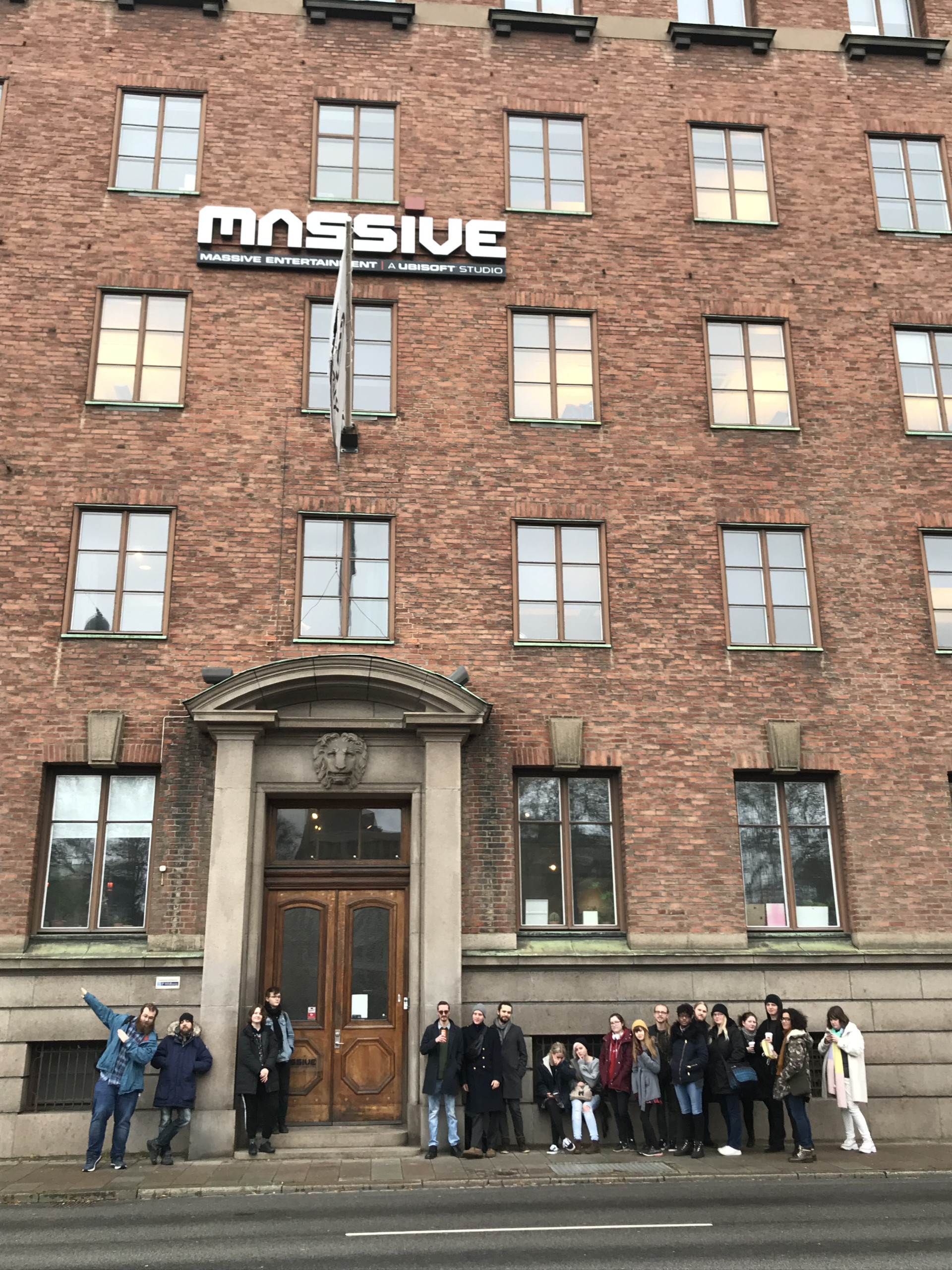
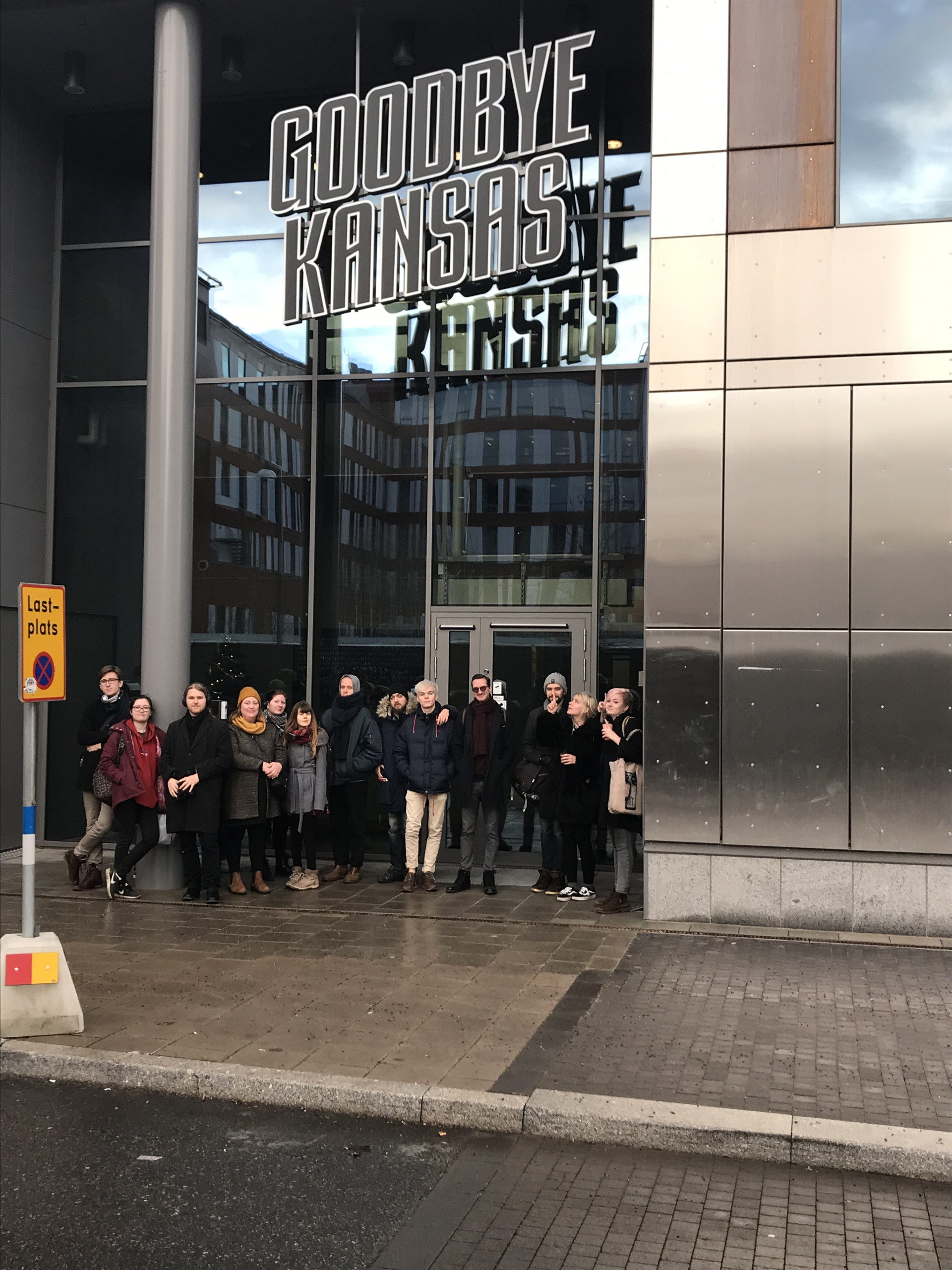
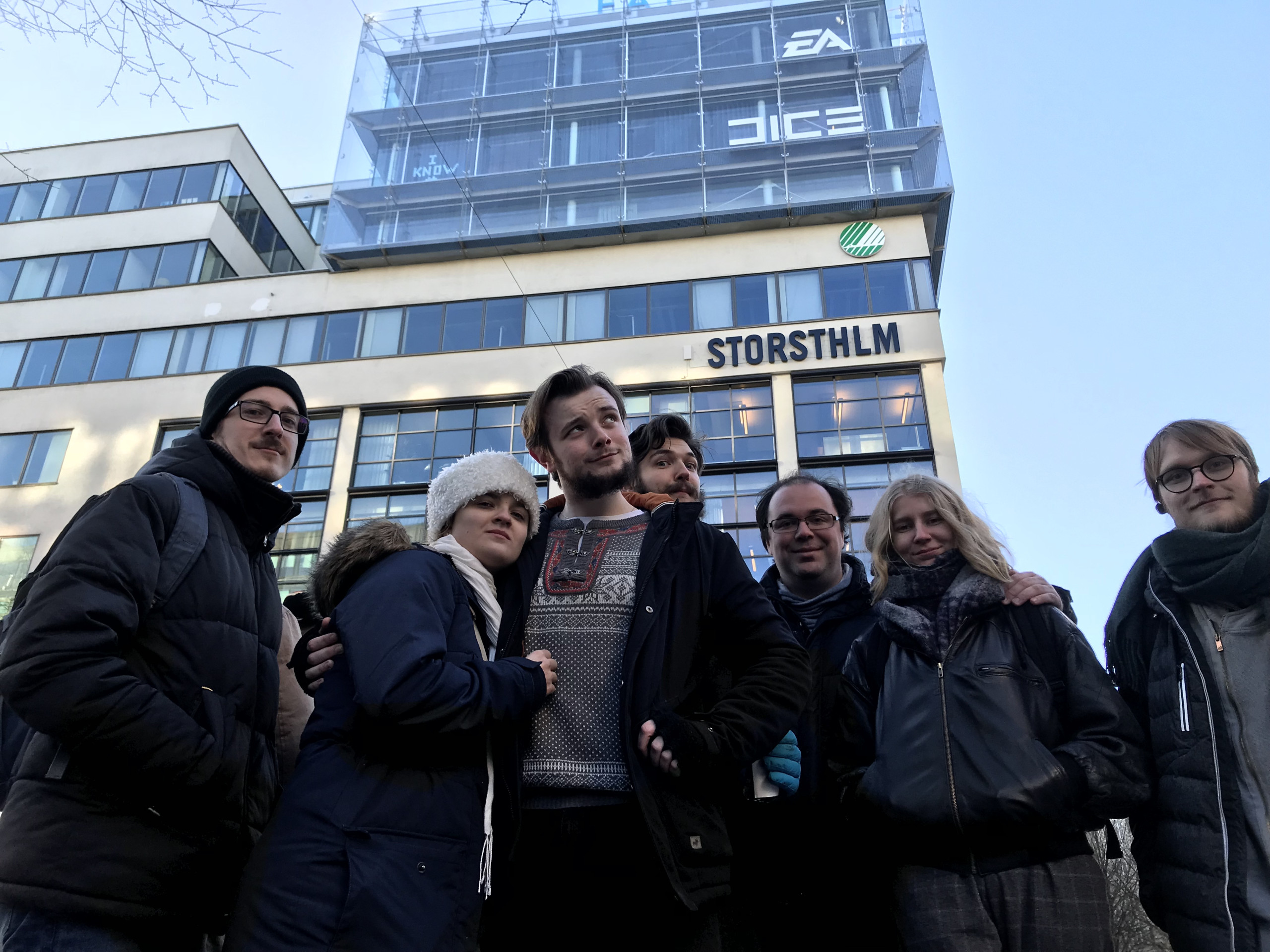
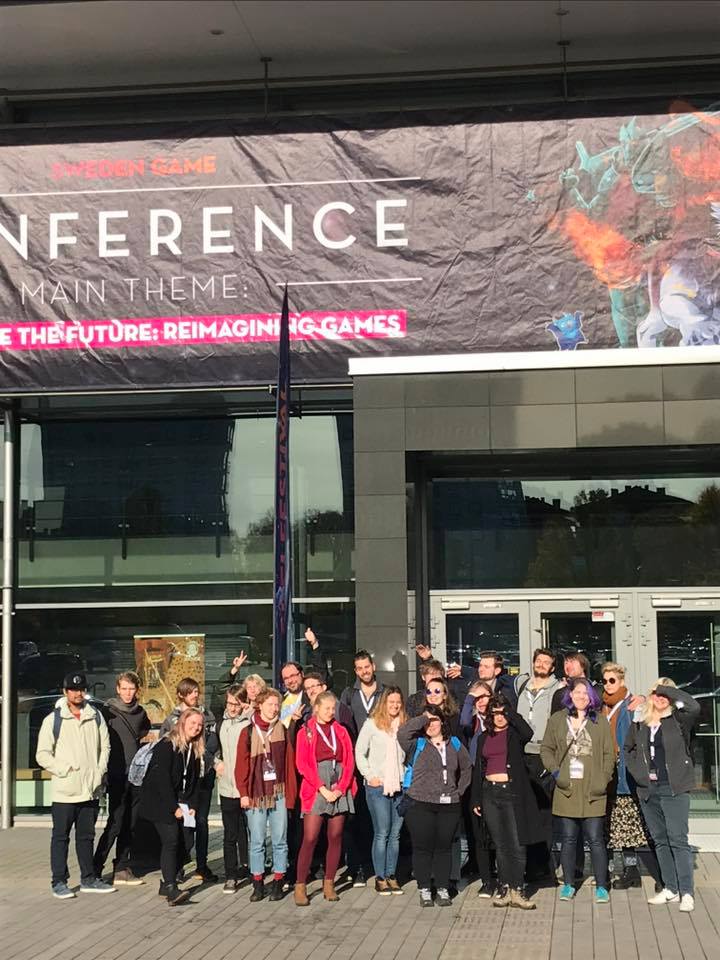
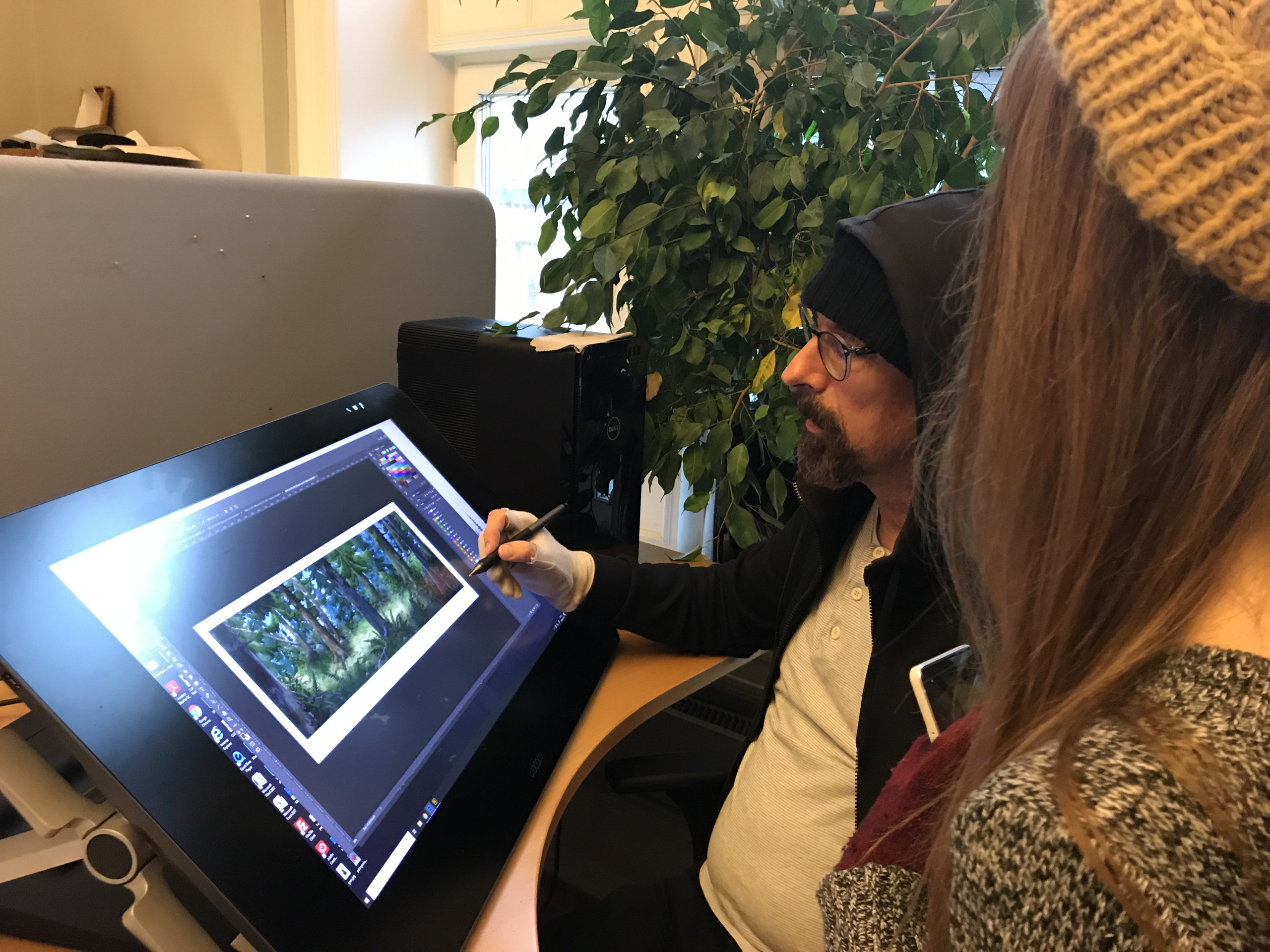
During the year, we make several study visits to studios for games, VFX, animation, etc. There we often get to meet concept artists, ADs and other professional roles who explain how their jobs are done and what their everyday life looks like. This is to get an insight into what it is like in different industries and orientate on different career paths. We feel this is one of the best ways in which our students become oriented towards possible paths forward.
We have visited different studios such as:
- Dice
- Envar studio
- Avalanche
- Massive Entertainment
- Paradox
- ILP (Important Looking Pirates)
- Mood Visuals
- Goodbye Kansas
- Starbreeze
- Tarsier Studio
- Slugger Film.
- King Malmö
- Elemental Games


















STUDY VISITS AT SCHOOLS
We also visit various unversities and higher vocational educations to inform about possible ways forward. Among other, we have visited:
- The Game Assembly
- Futuregames
- Playground Squad
- The Animation Workshop
- Konstfack
- Hyper Island
- Högskolan i Skövde
- Sörängens folkhögskola
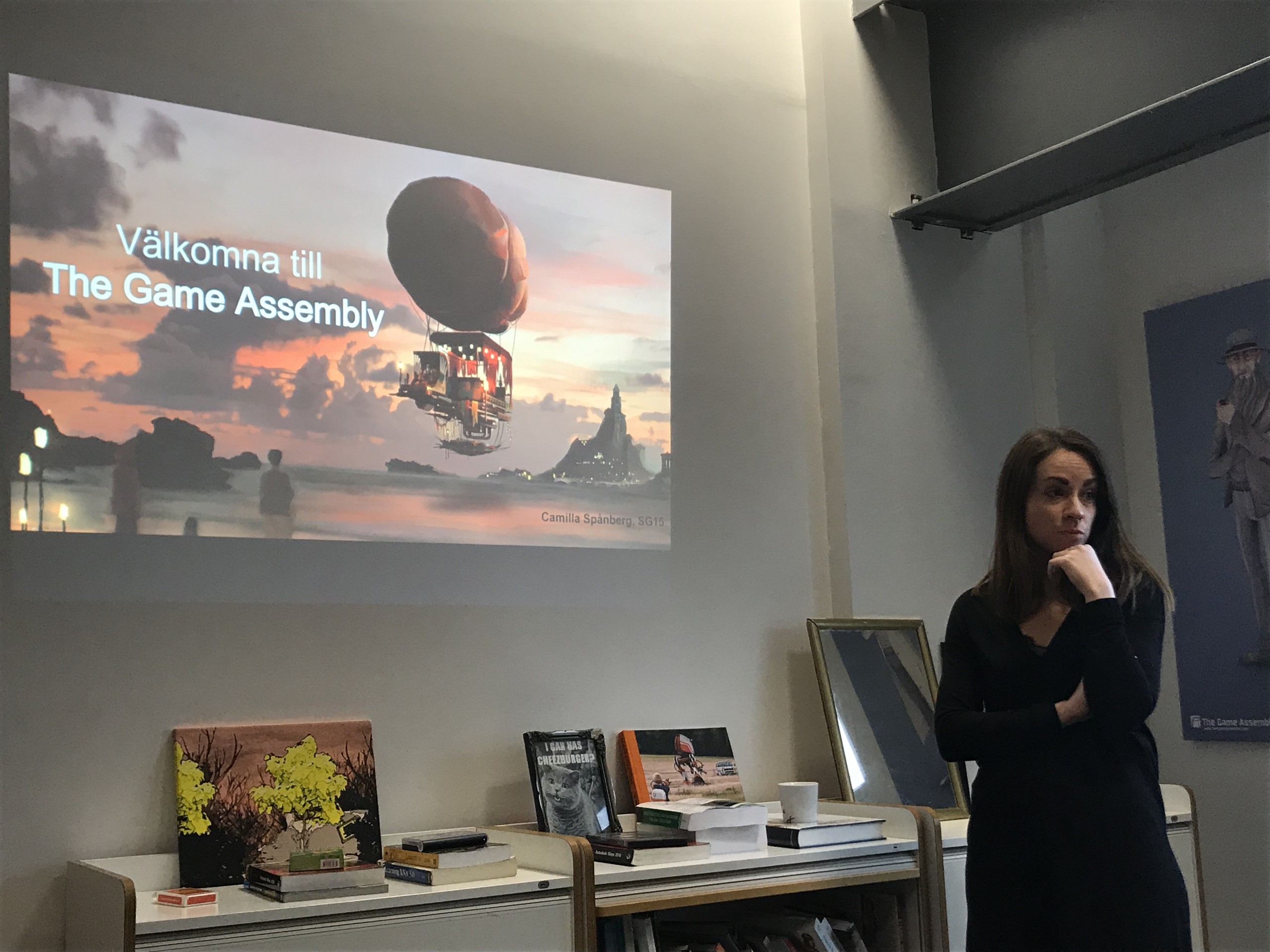


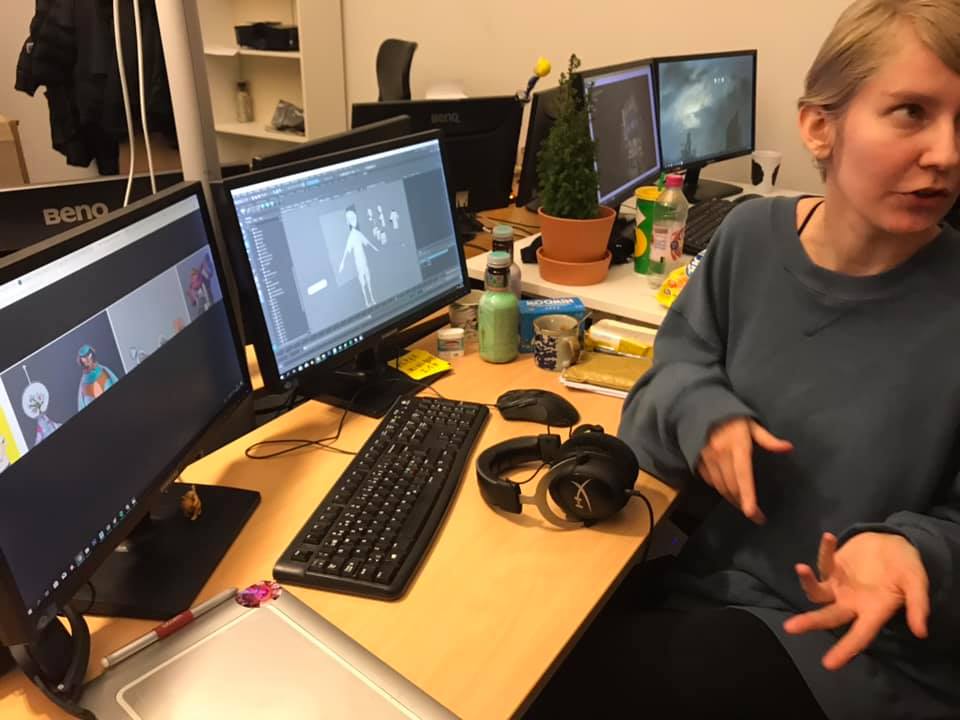


VISITS TO MUSEUMS AND DRAWING EXCURSIONS
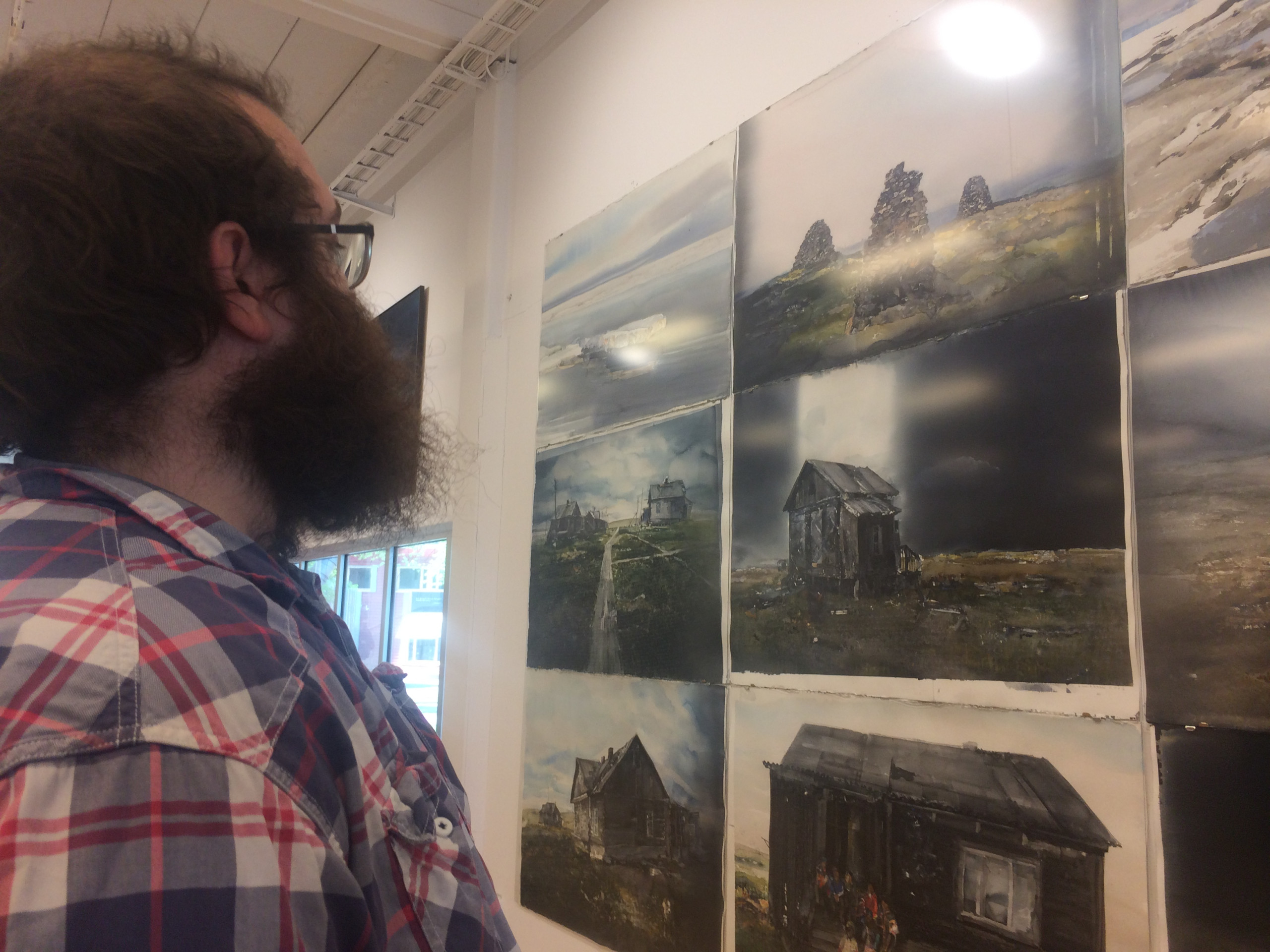
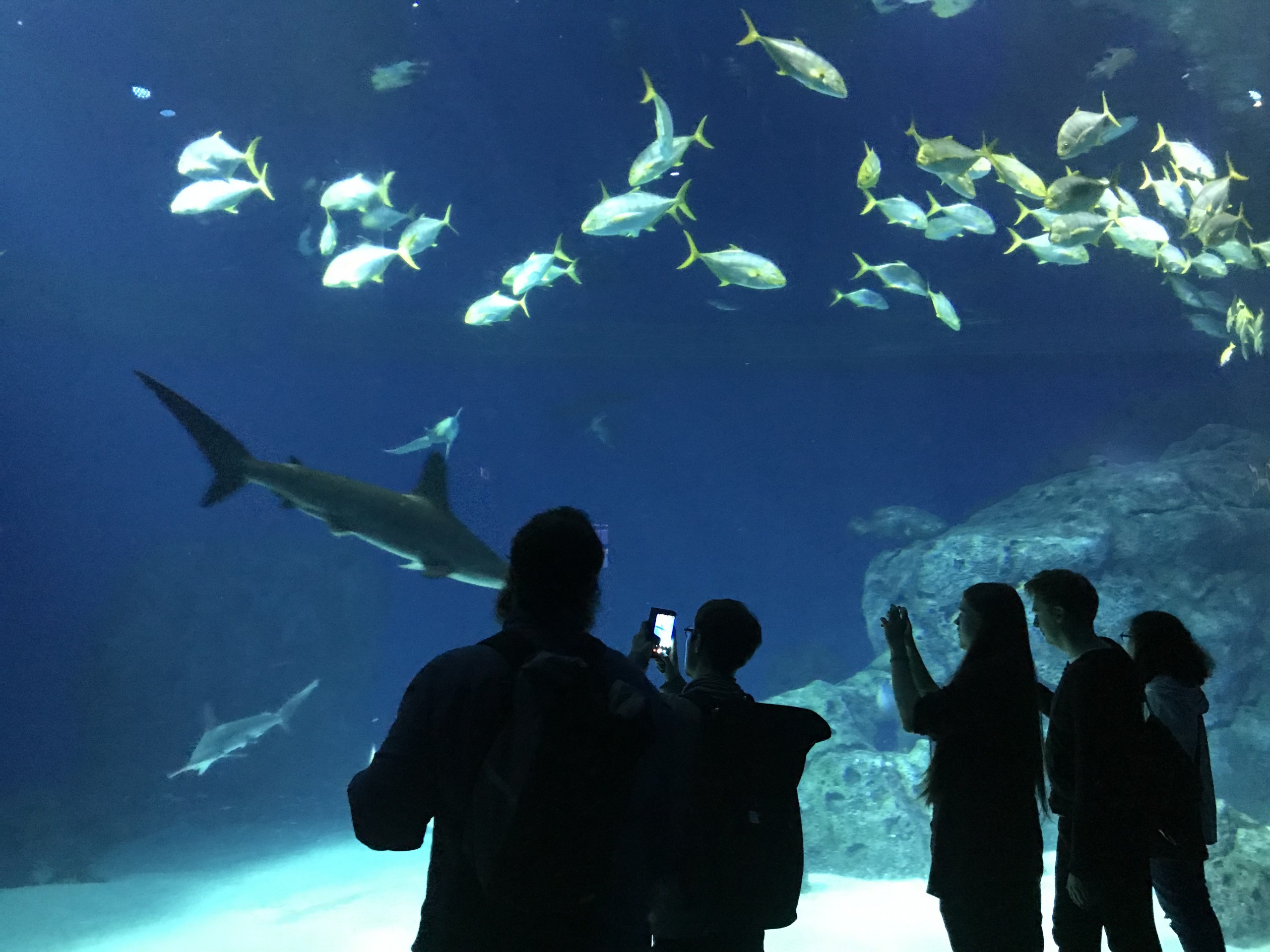
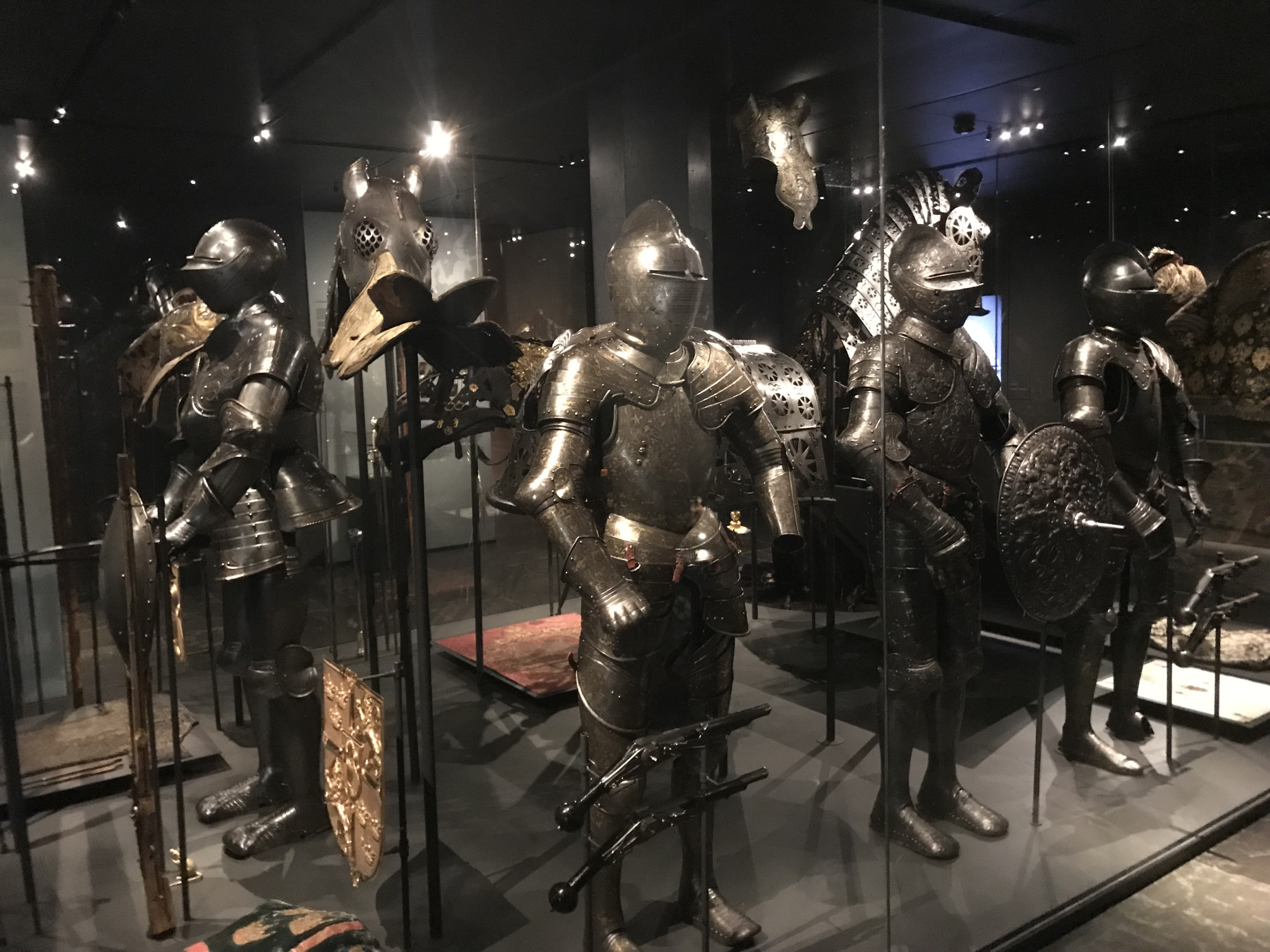
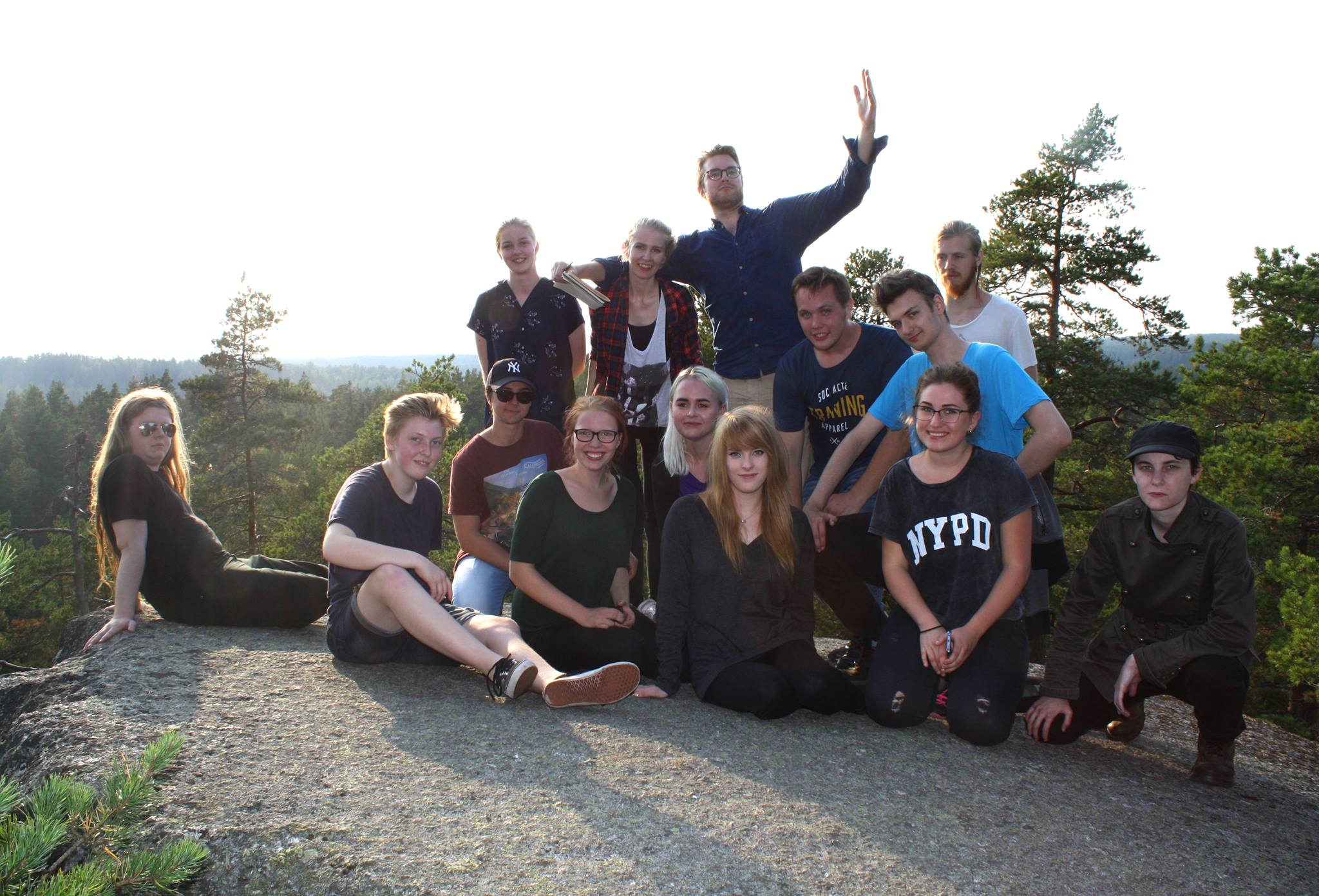
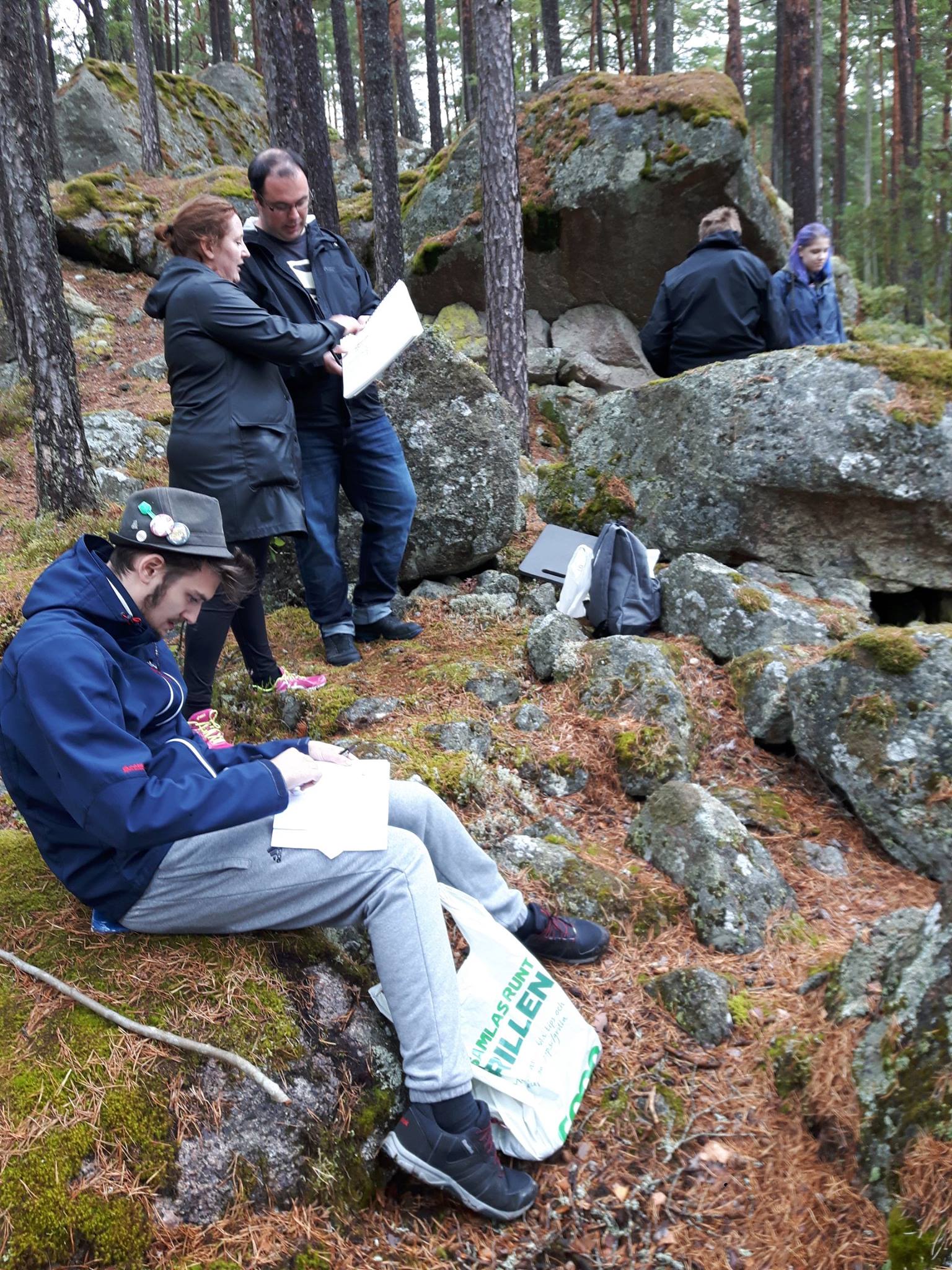
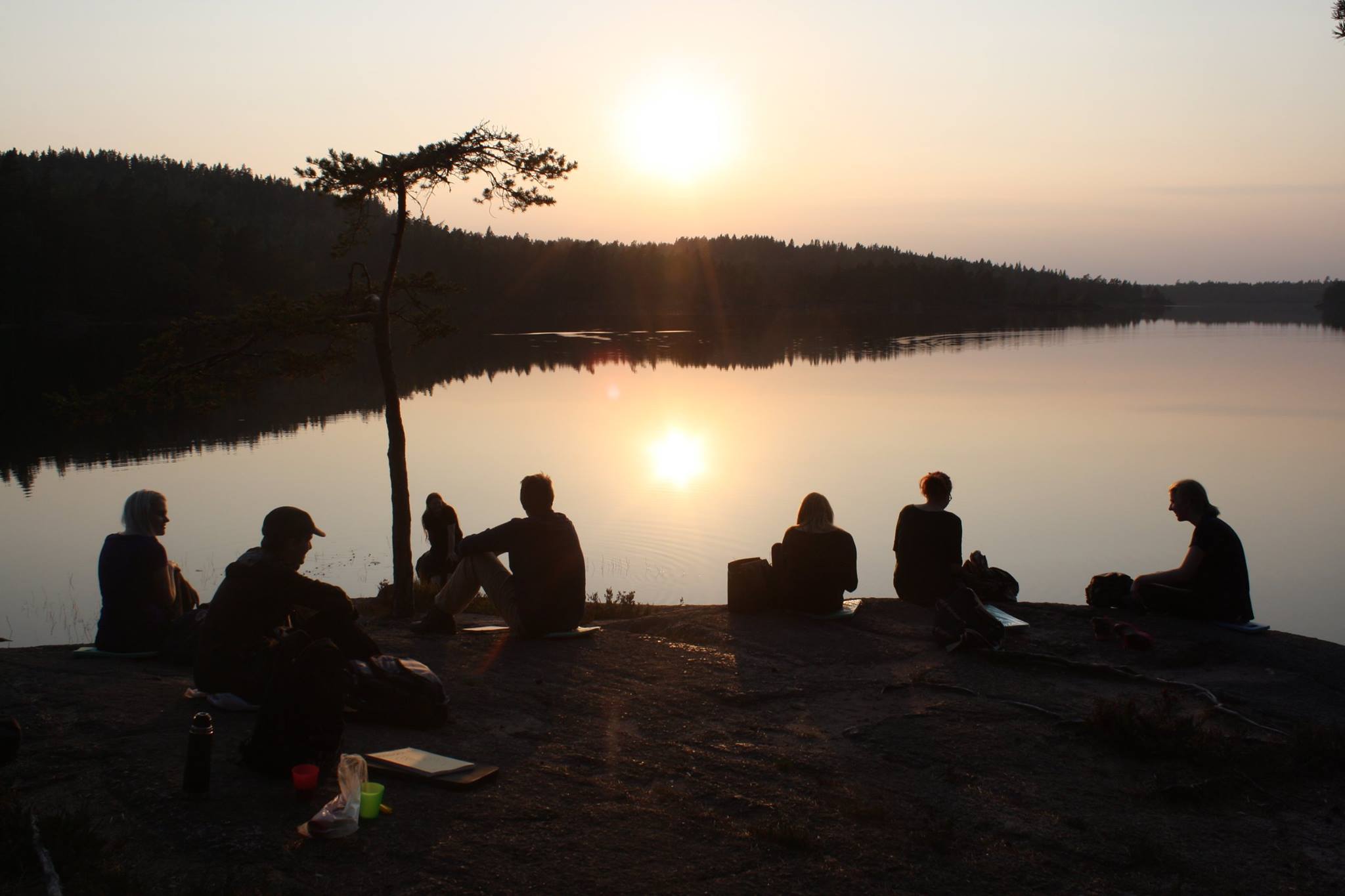
We also make a number of museum visits to relevant and interesting exhibitions and collections. Examples of museums we visited are the National Museum of Art, the National Museum of Natural History, Glyptoteket, the Nordic Watercolor Museum, the Zorn Museum, The Blue Planet, The National Treasury, the Gothenburg Art Museum, the Natural History Museum in Gothenburg, the Aros Art Museum in Denmark, etc. We also go on various excursions to draw and paint.










WHAT HAPPENS AFTERWARDS?
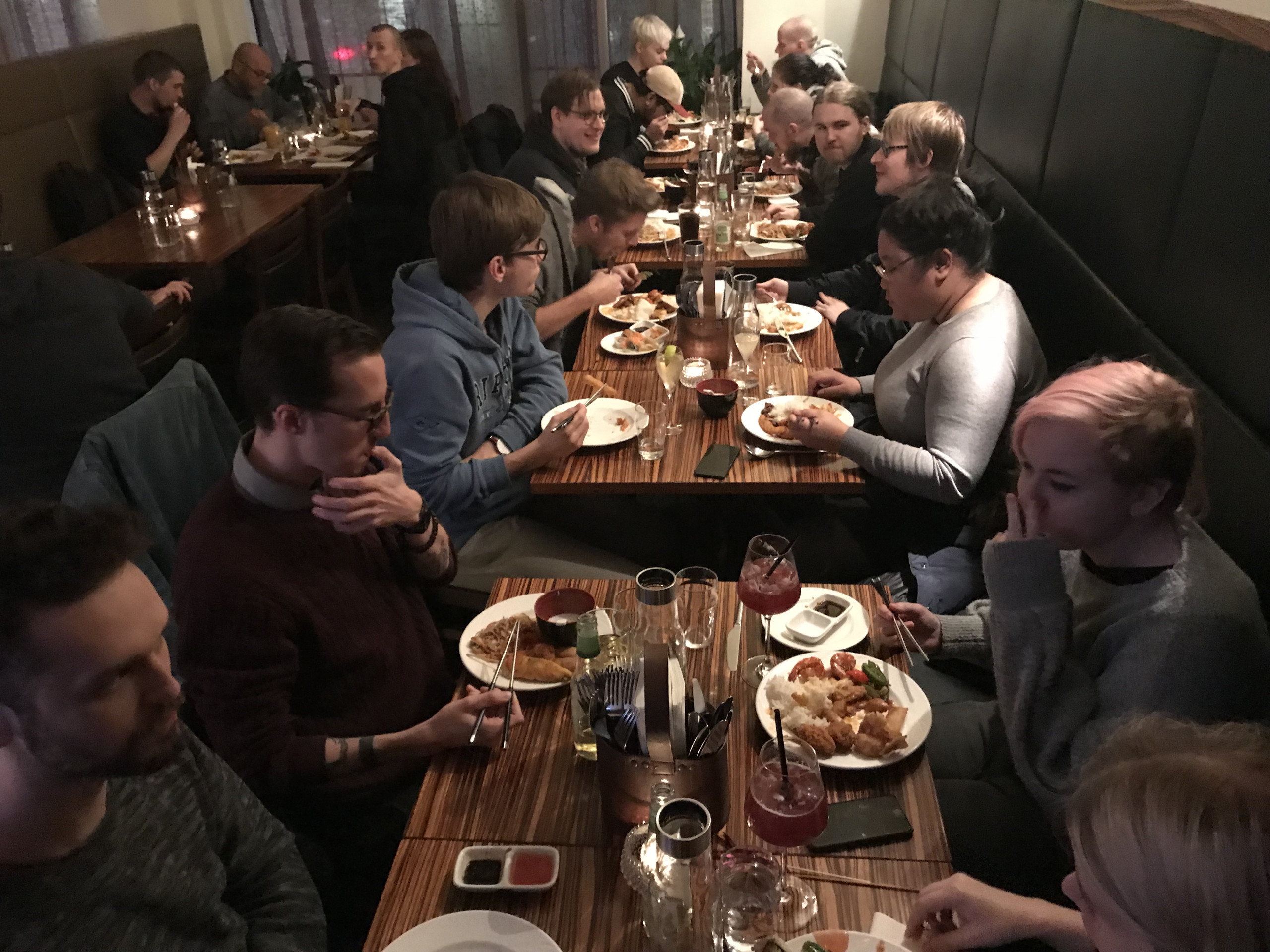
Since Concept Art & Illustration started in 2016, many of our students choose to continue their education in game development. Of those who have applied to higher vocational schools such as The Game Assemble and Futuregames, approximately 95% have been accepted on their first attempt. Many of our former students are now working in Entertainment Arts in one way or another. Several now work in the gaming industry and others have chosen to work freelance with concept art and illustration.
We have good contact with our Alumni and some of them are now working at:
- Fatshark
- Envar Studio
- Starbreeze
- King
- Sharkmob
- Paradox
- Myrkur Games
- The Gang
- Dupp Film
OUR DEAR ALUMNI:




Former students have applied to and been accepted to:
- The Game Assembly, i Malmö and Stockholm
- Future Games, Stockholm
- Yrgo – Gothenburg
- Playground Squad, Falun
- Konstfack – Graphic design & illustration
- Animation Workshop i Danmark – Character animation Graphic Storytelling
- Idea Academy – Rome
- Industrial design – Umeå University
- Architectural education at Chalmers University of Technology
- Animation och Bilderbok at Sörängens folk high school
STUDIO SPACE & EQUIPMENT
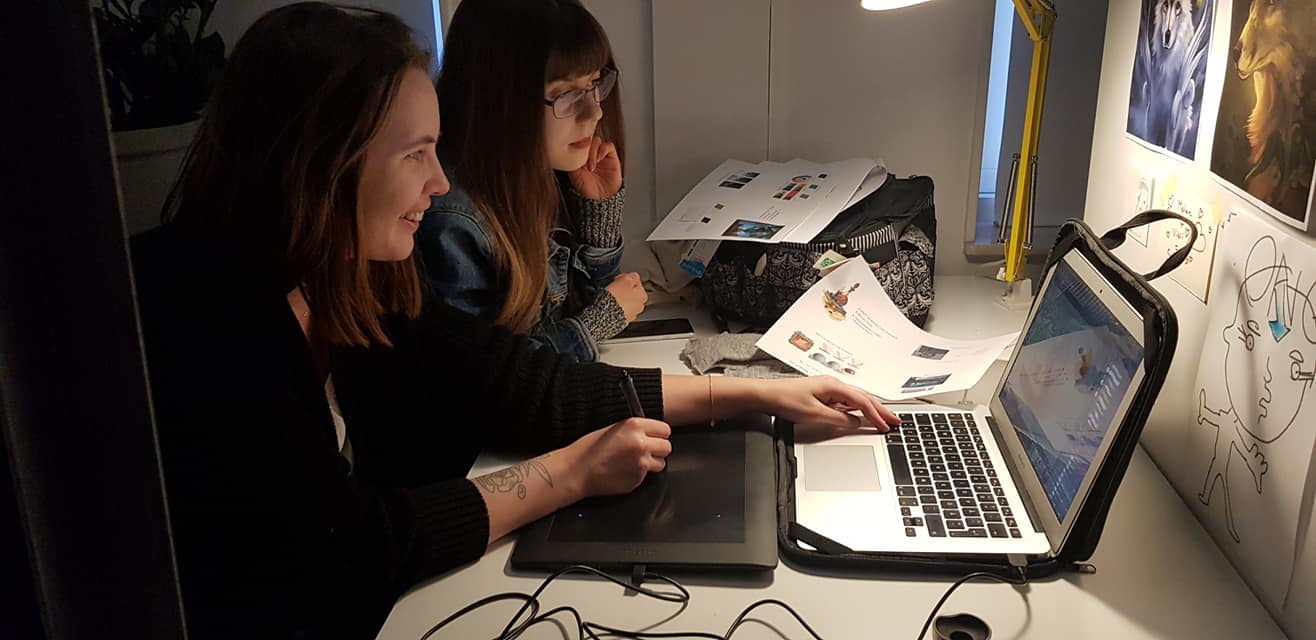
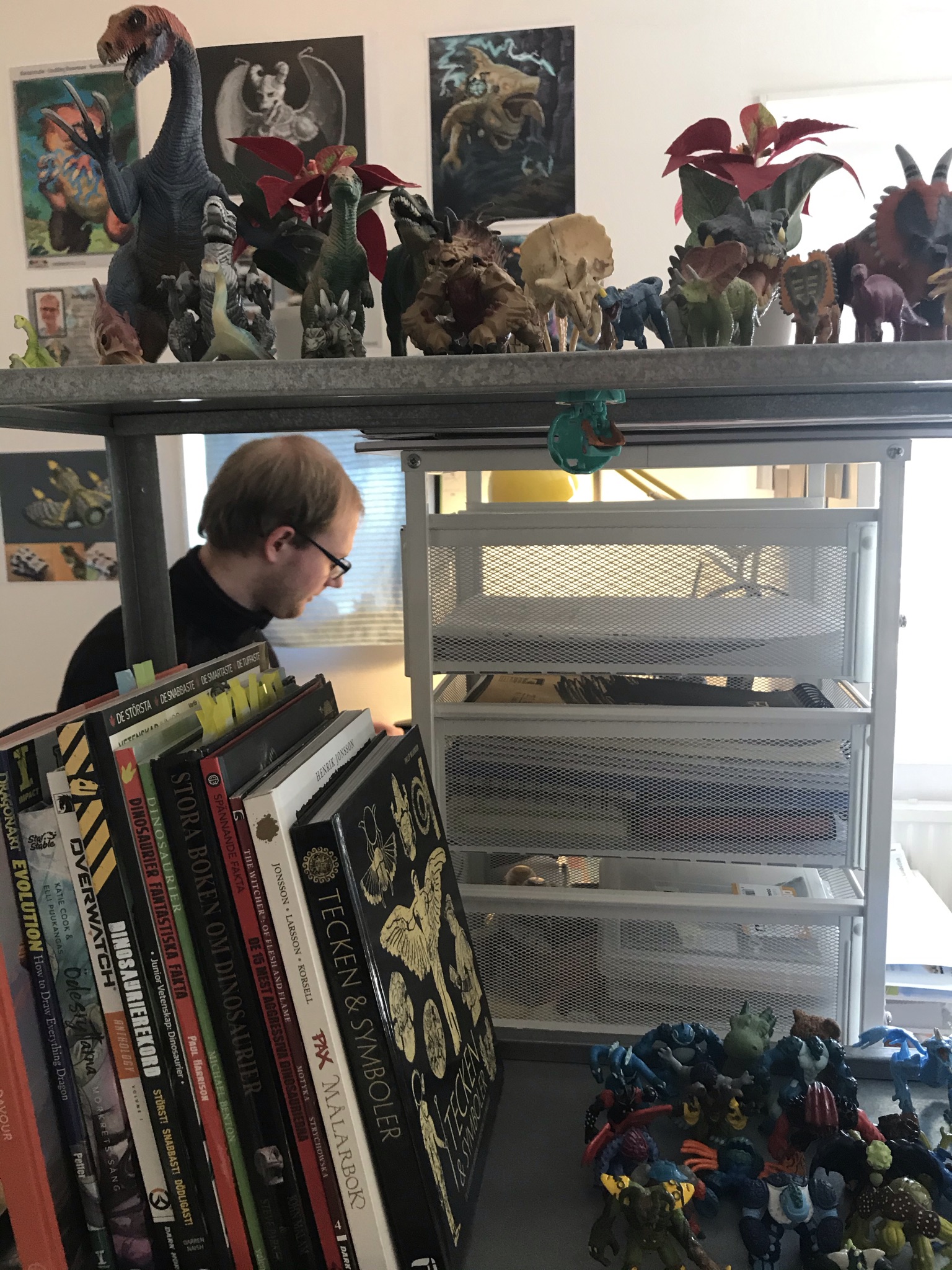
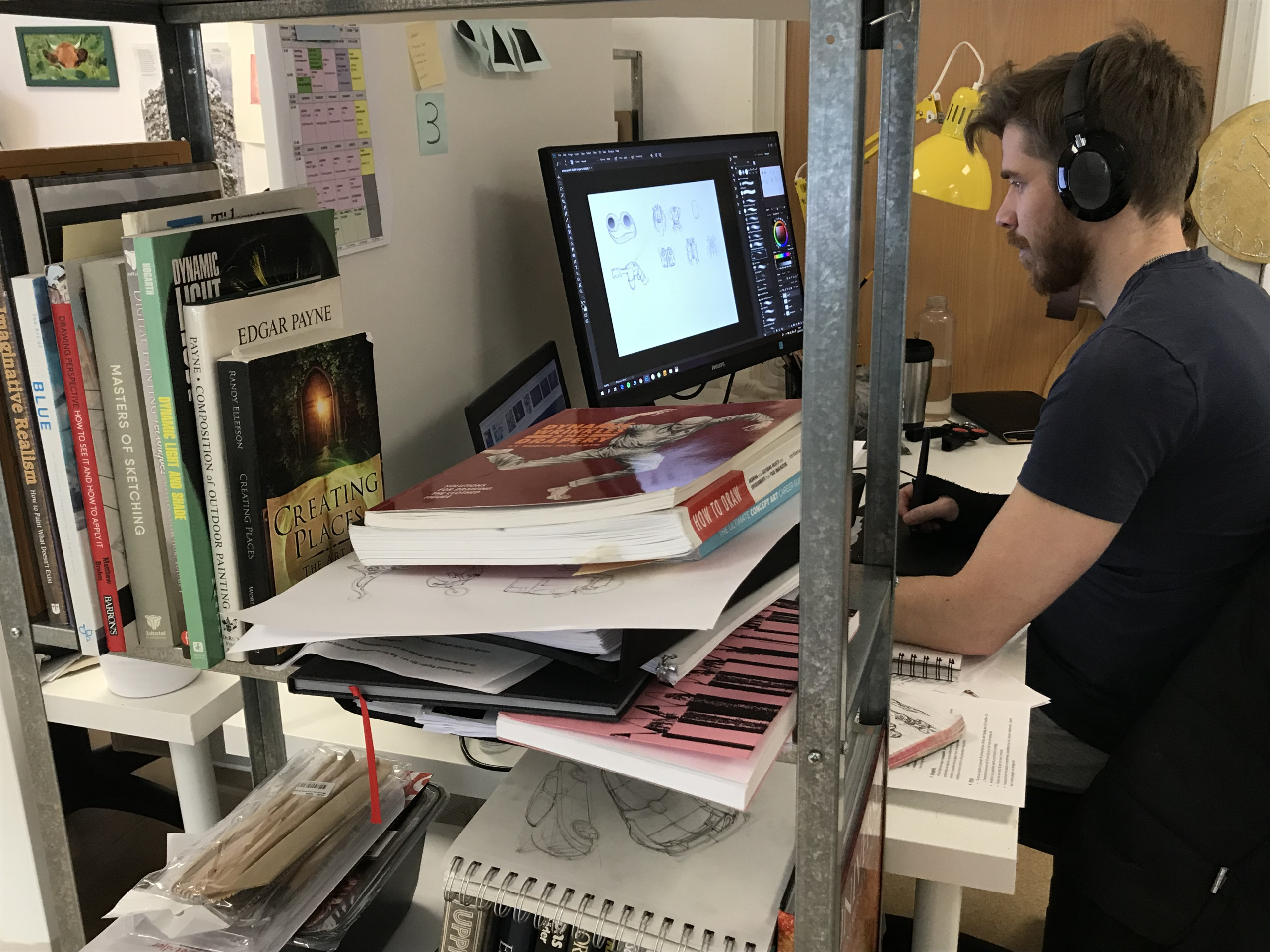
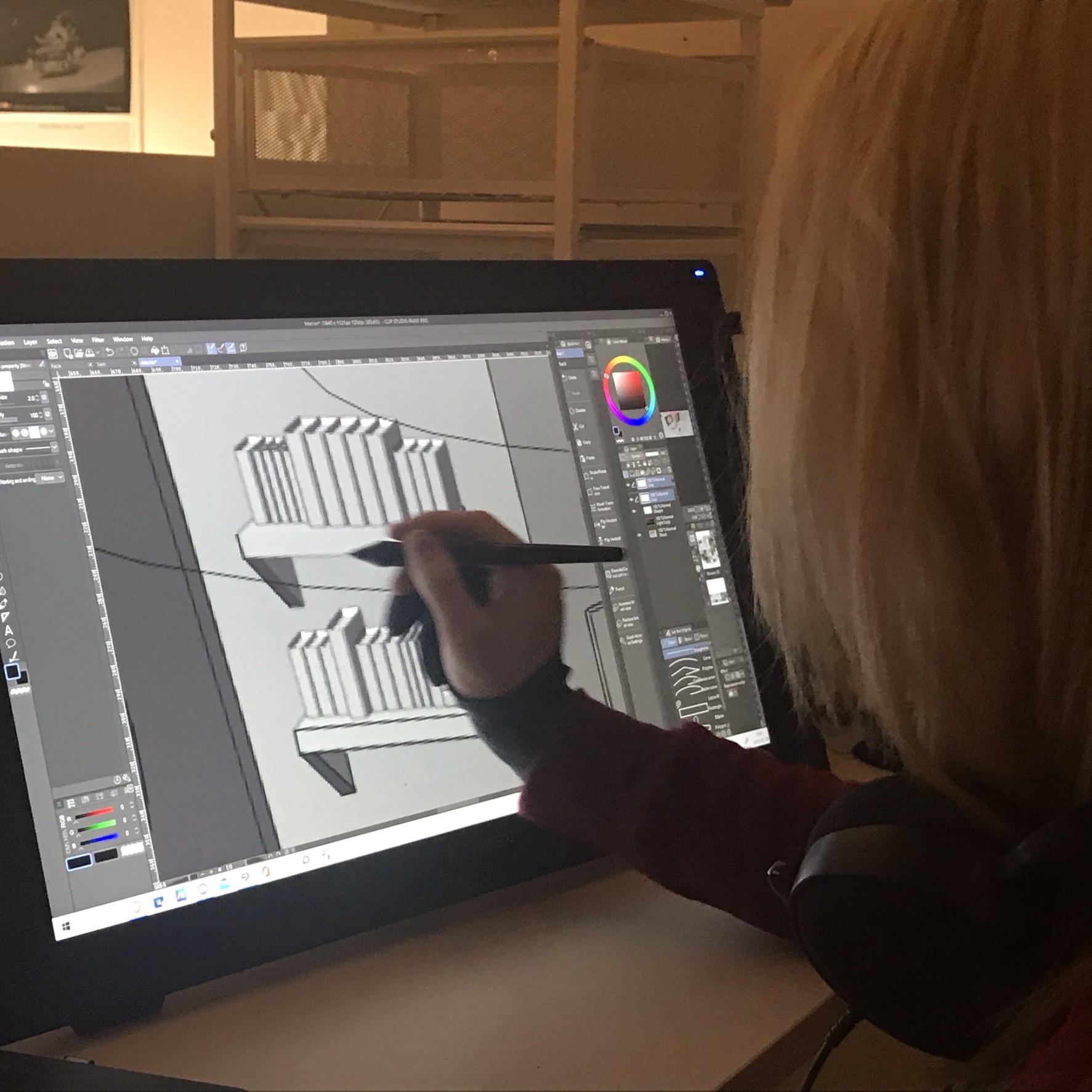
The Studio: Everyone who attends Concept Art & Illustration gets their own work space in one of the school’s studio rooms. This space, as well as all of the classrooms and facilities on campus is available to you around the clock during the school year. You will be equipped with a desk, office chair, shelf unit, material cart, lamp, power outlet and extension cords.
Digital equipment: You are expected to bring your own computer, drawing pad and/or drawing tablet that you use for digital assignments, as the school does not provide these. You are also required to have Adobe Photoshop, or other compatible program, on your computer. Make sure you have home insurance that covers your equipment in case of damage or theft.
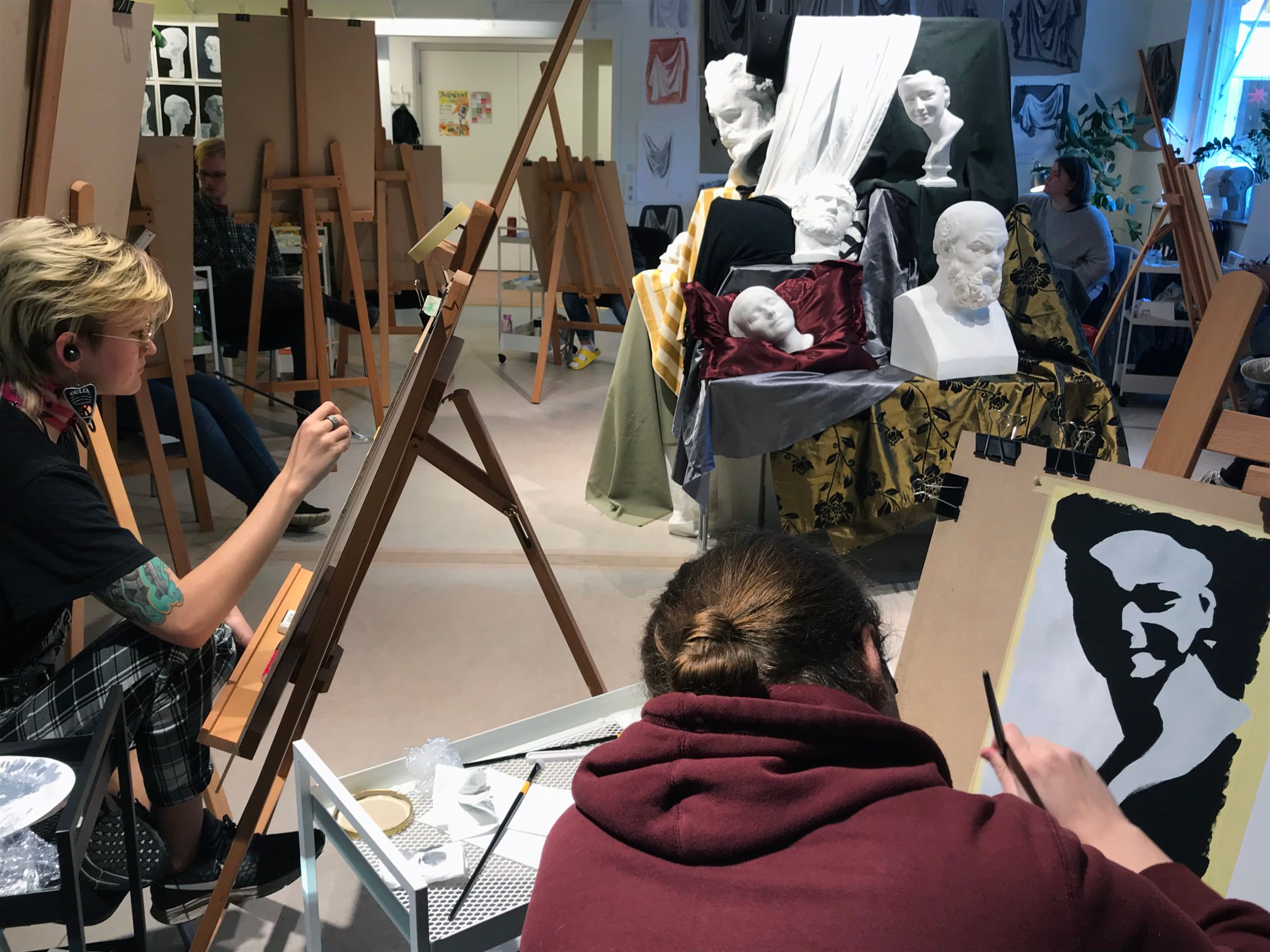
STUDIO SPACES








OUR CLASSROOMS
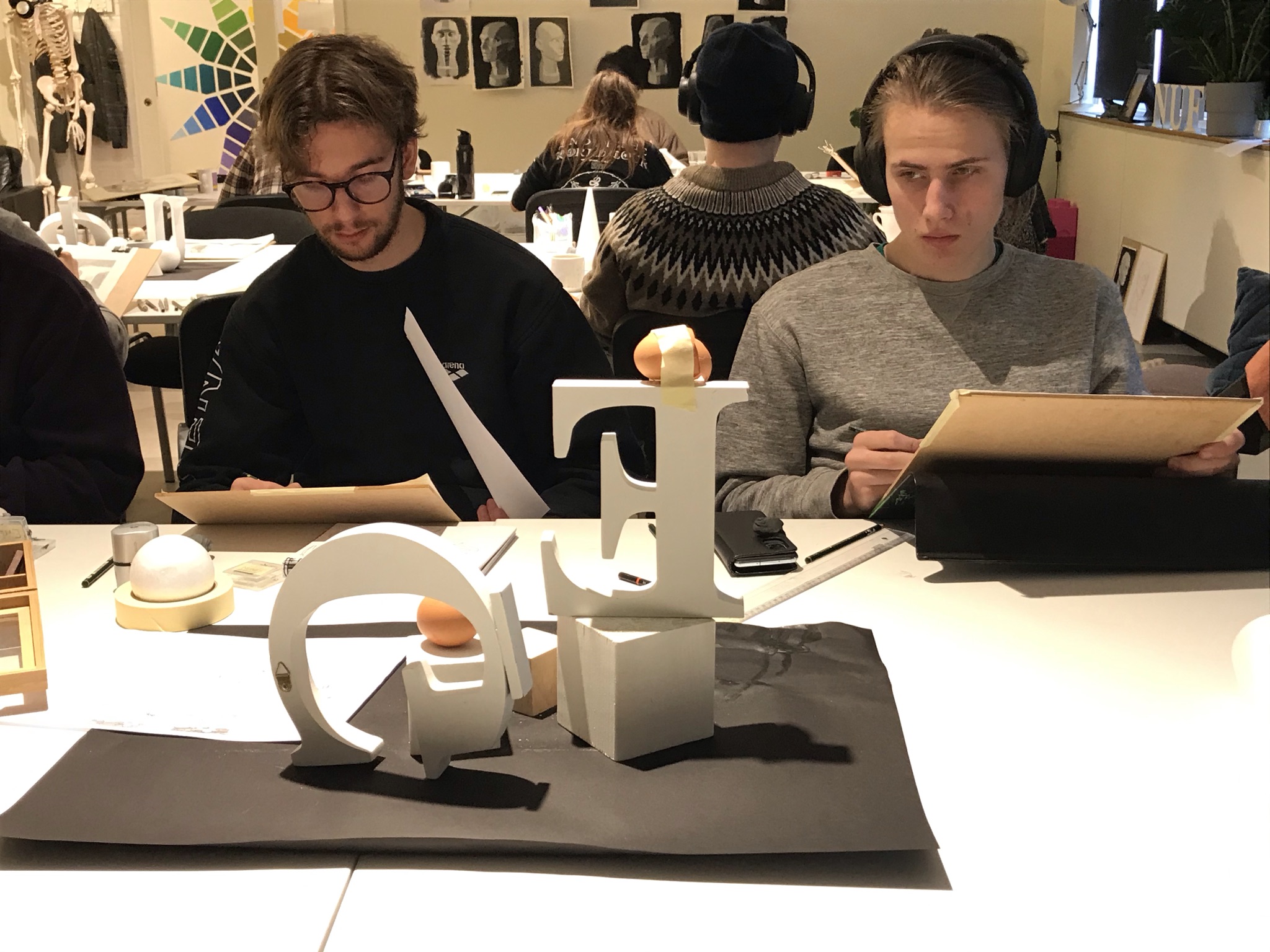
FUNDAMENTALS CLASSROOM – YEAR 1




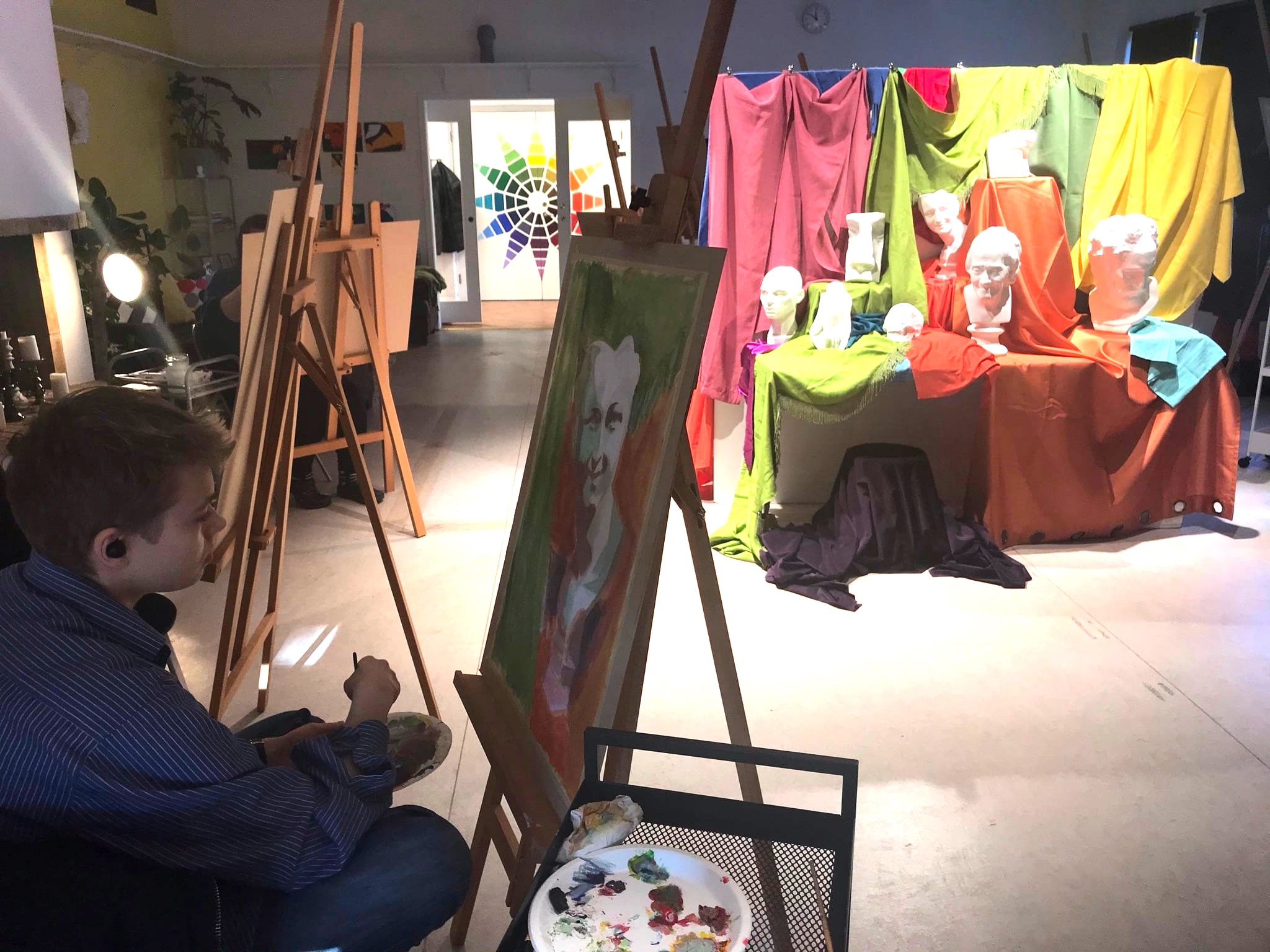




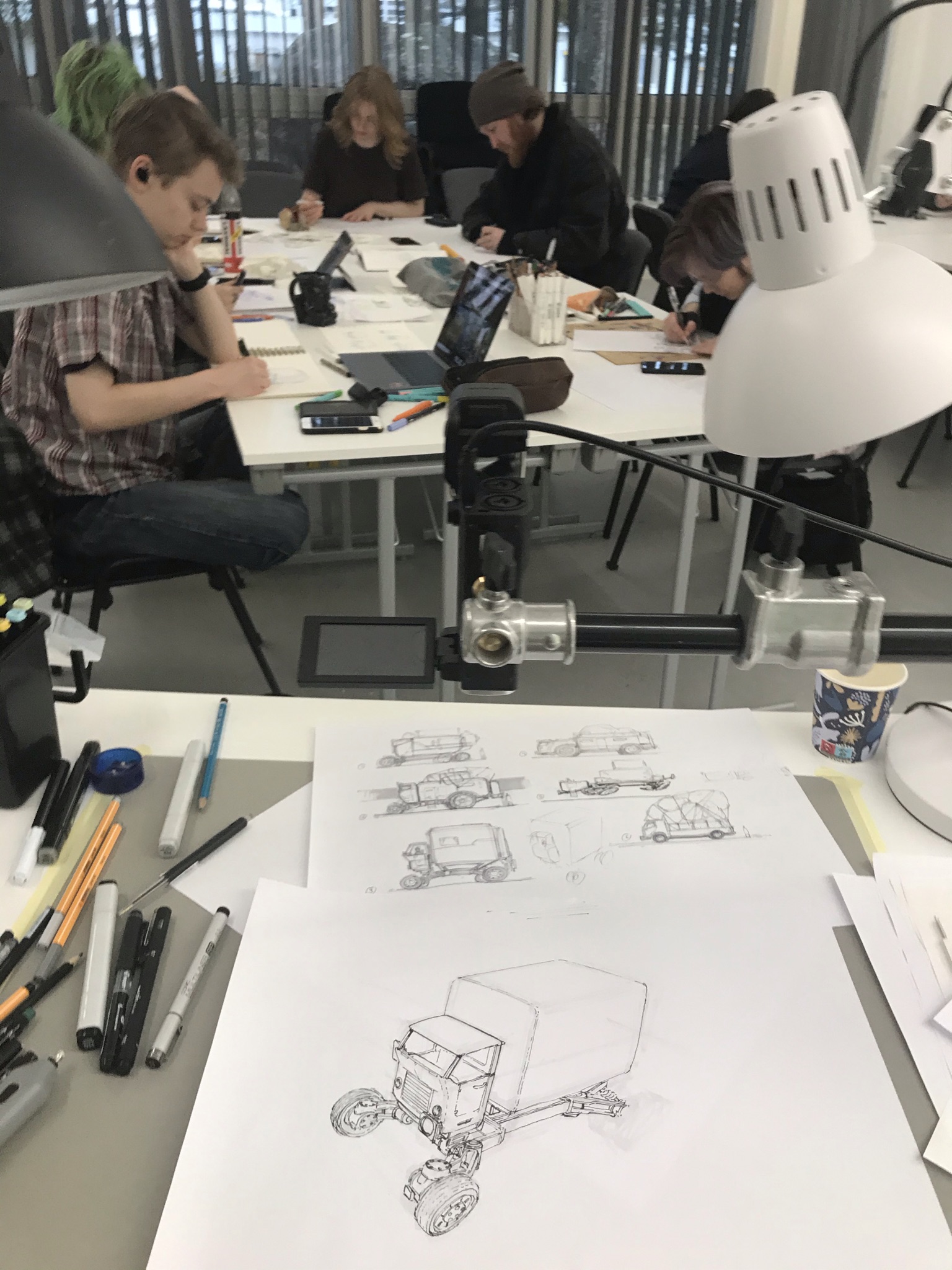
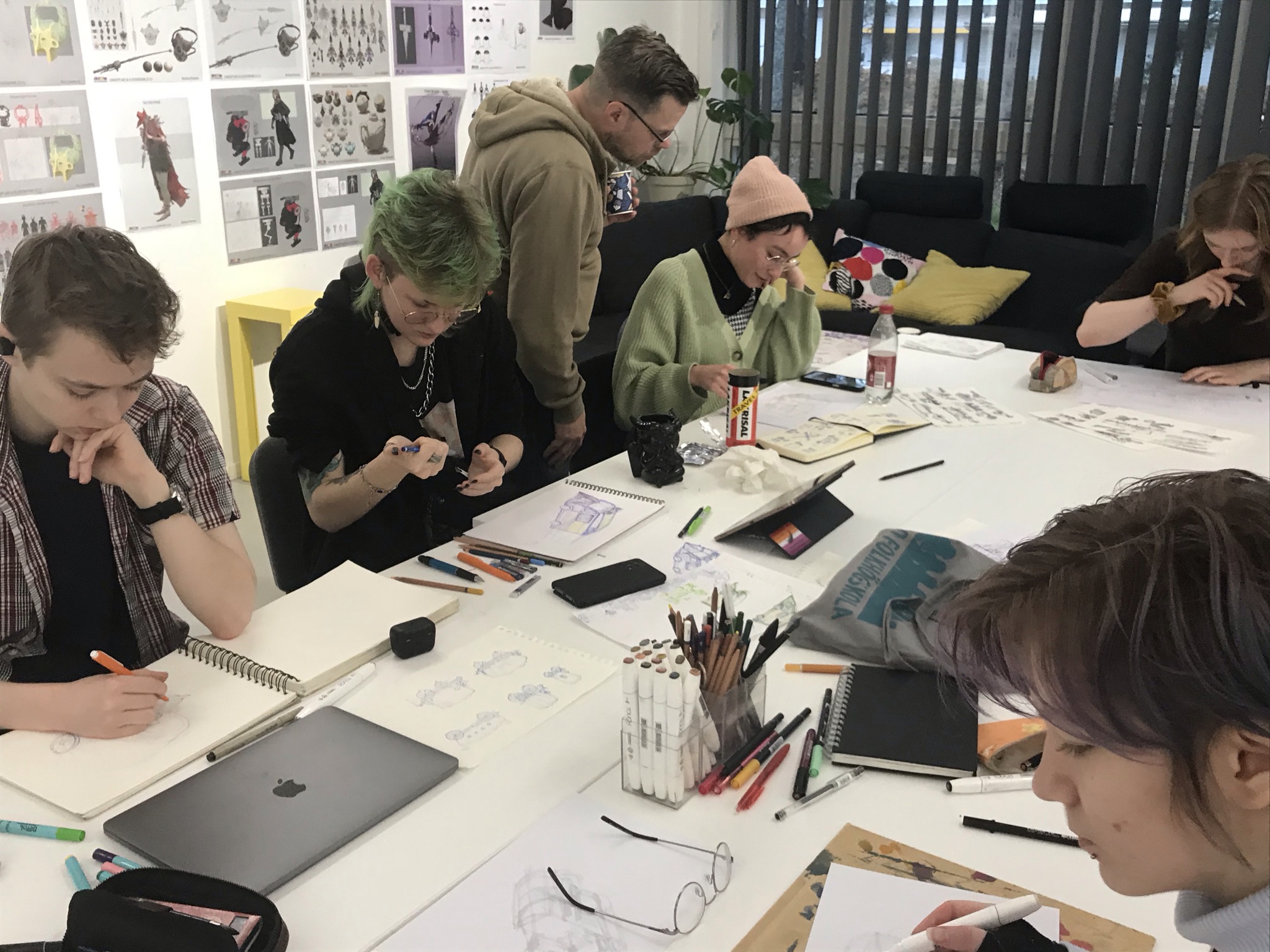
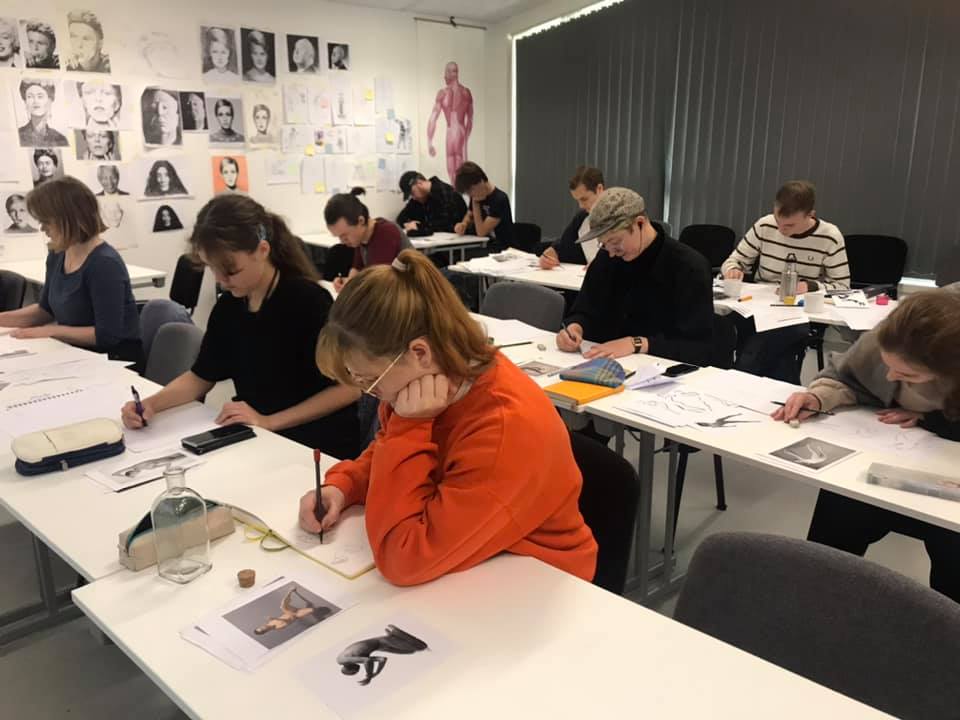
CONCEPT ART CLASSROOM – YEAR 2




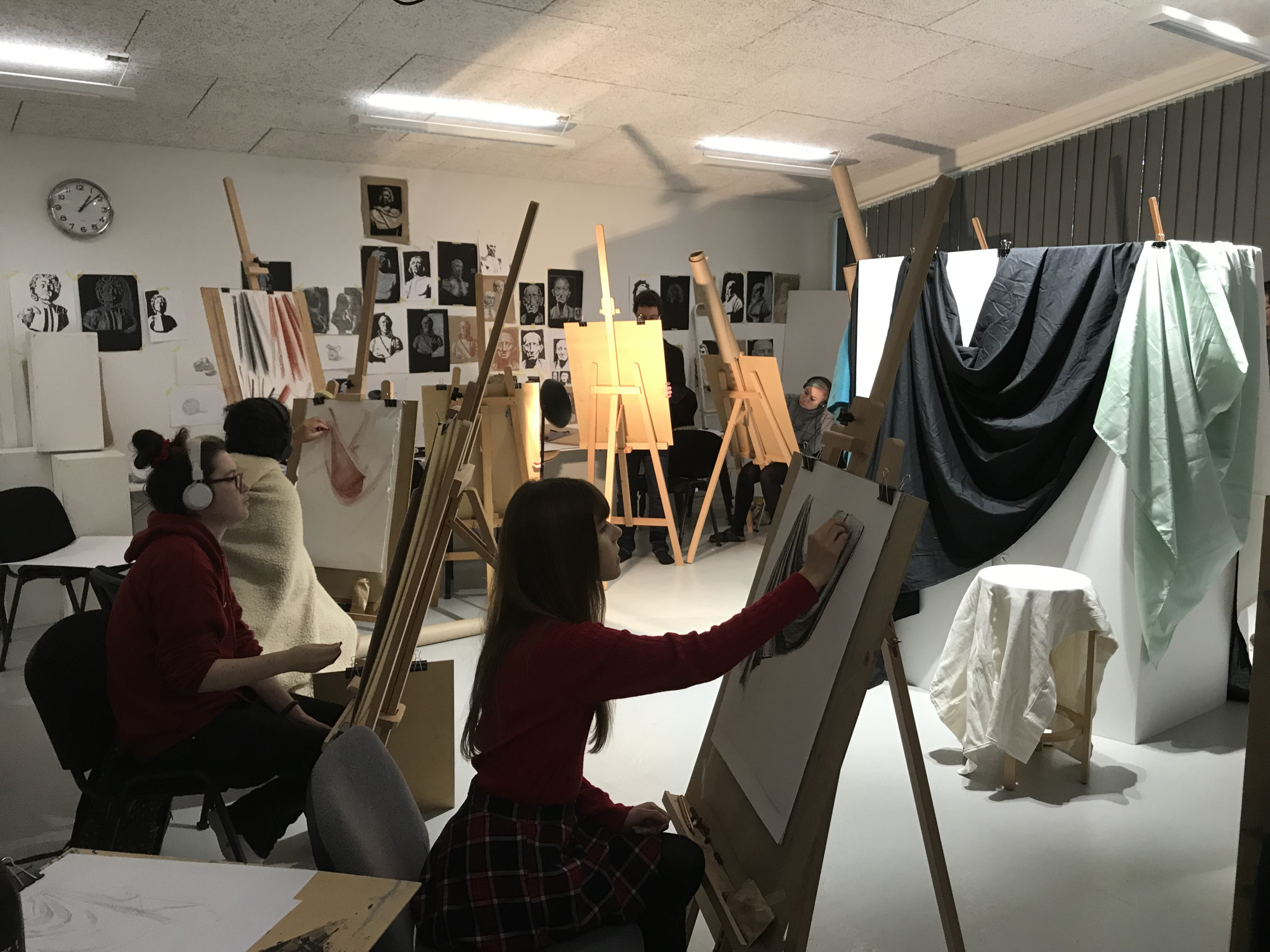






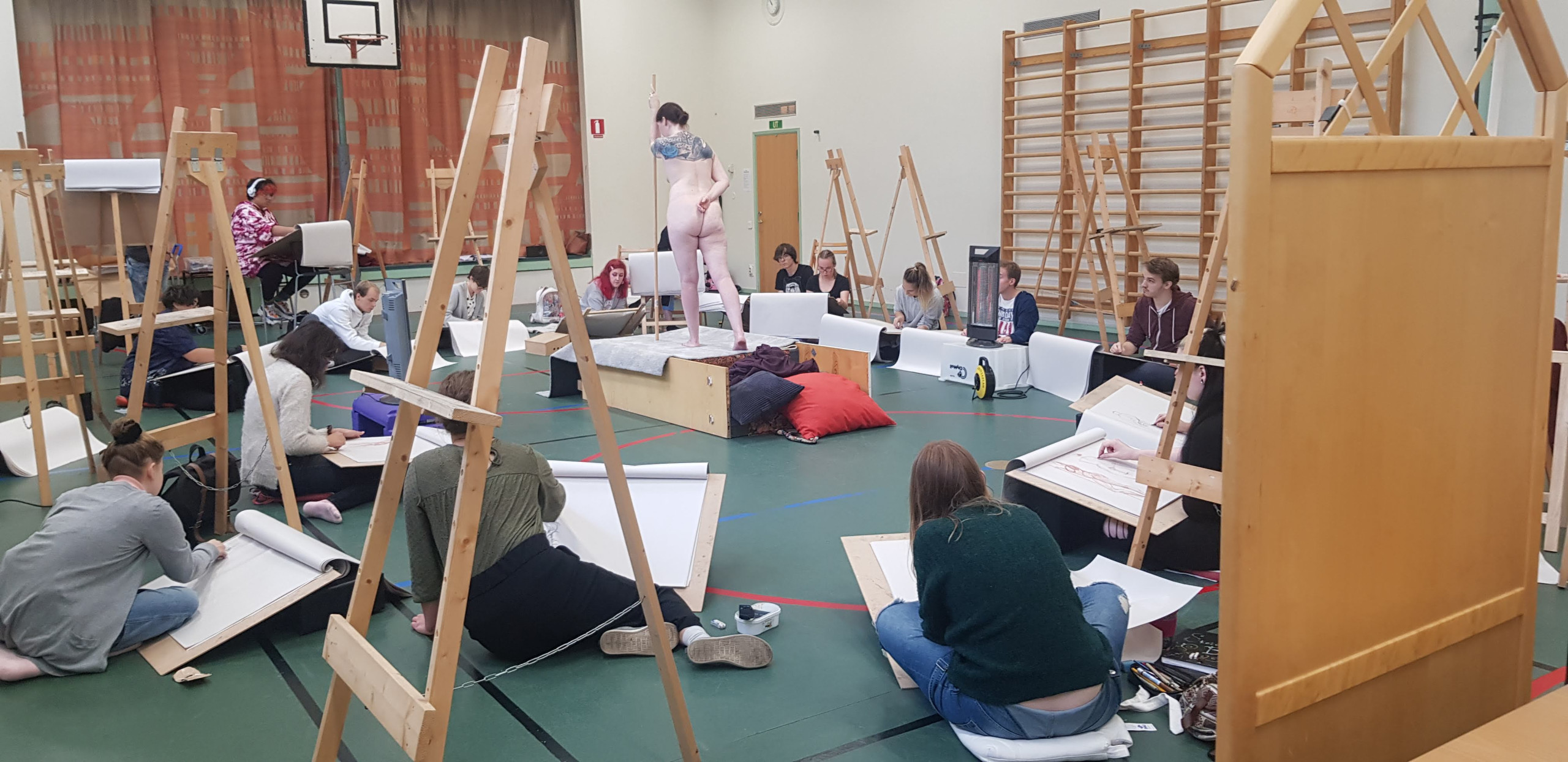
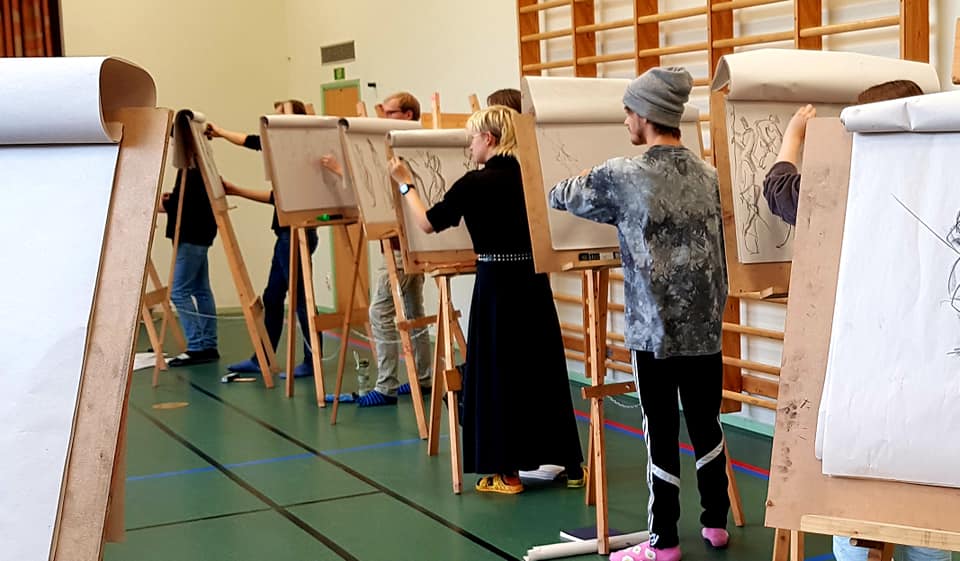
THE CROQUIS CLASSROOM / THE GYMNASIUM


FAQ:s